Showing posts with label Culture & Etiquette. Show all posts

Sunday, May 3, 2026

Essential Social Manners and Etiquette in South Korea

Essential Social Manners and Etiquette in South Korea

Every country has its own unique social norms, and South Korea is no exception. Understanding local etiquette is not just about avoiding mistakes; it’s about showing respect to the people and culture of your host country. Here is a guide to the most important social manners you should know when visiting Korea.

1. The Art of Bowing and Greetings

In Korea, bowing is the traditional way to greet, show gratitude, and say goodbye. The deeper the bow, the more respect is shown.

  • A Gentle Bow: For daily interactions like entering a shop or meeting a peer, a slight nod or a 15-degree bow is sufficient.
  • Eye Contact: Unlike in some Western cultures, prolonged intense eye contact can sometimes be seen as a challenge or impolite, especially with elders.
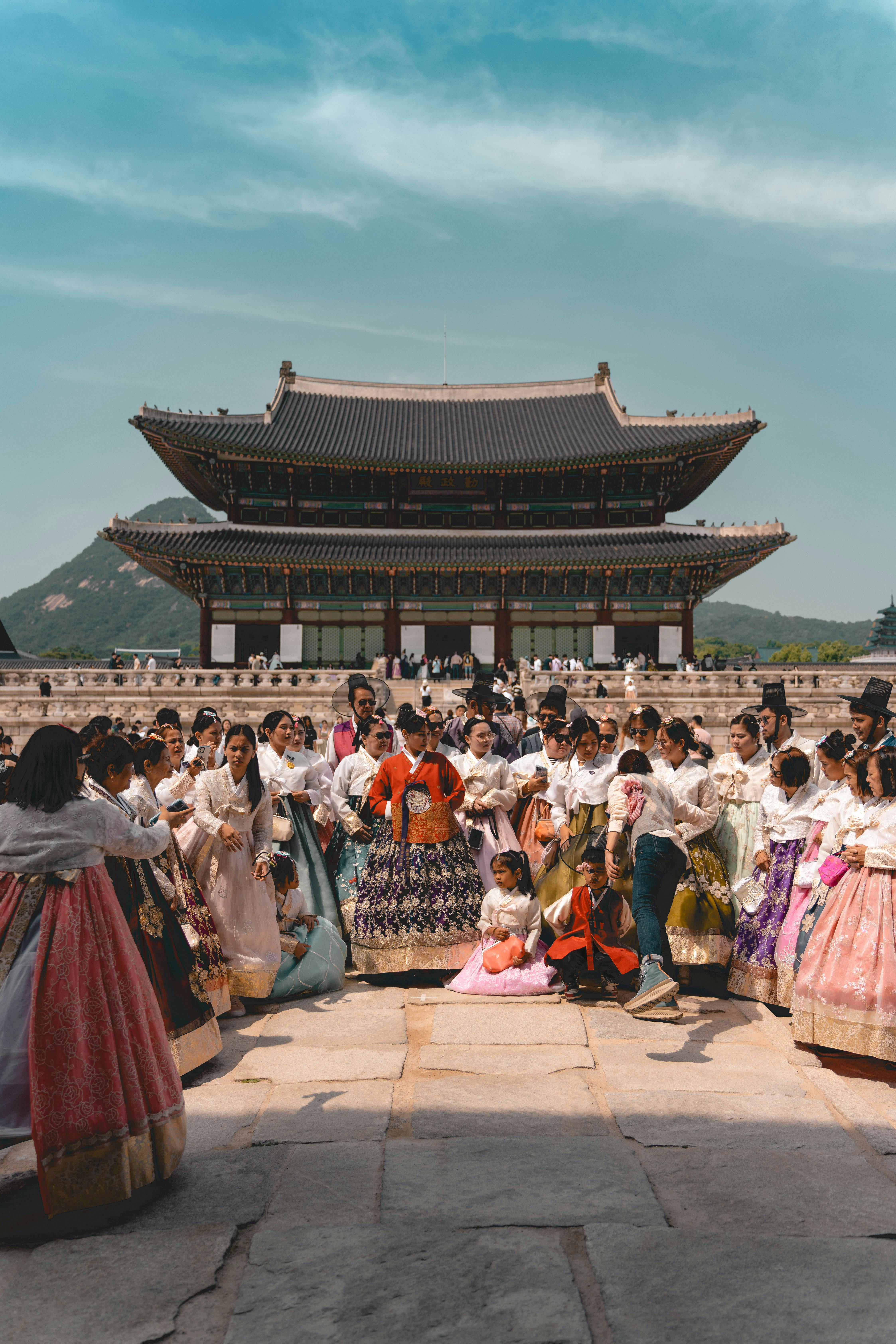
Respectful interaction and bowing in Korea

Showing respect through polite gestures is highly valued in Korean society.

2. Using Two Hands: Showing Respect

One of the most visible etiquette rules is using two hands when giving or receiving items. This applies to money, business cards, and especially drinks.

  • When to use it: Always use two hands when interacting with someone older or in a higher social position. If you use one hand, place the other hand on your wrist or chest as a sign of support and respect.

3. Public Behavior: Keep it Quiet

Public Transport Etiquette: On subways and buses, it is considered impolite to talk loudly or have long phone conversations. You will notice that Korean public transport is remarkably quiet.

  • Designated Seats: Even if the train is crowded, always leave the seats for the elderly, disabled, and pregnant women empty unless you fall into one of those categories.

4. Tipping and Trash

As mentioned in previous guides, Korea is a no-tip country. Service is included in the price. Additionally, keeping the streets clean is very important, though public trash cans can be hard to find—most people carry their trash until they find a bin in a subway station or convenience store.
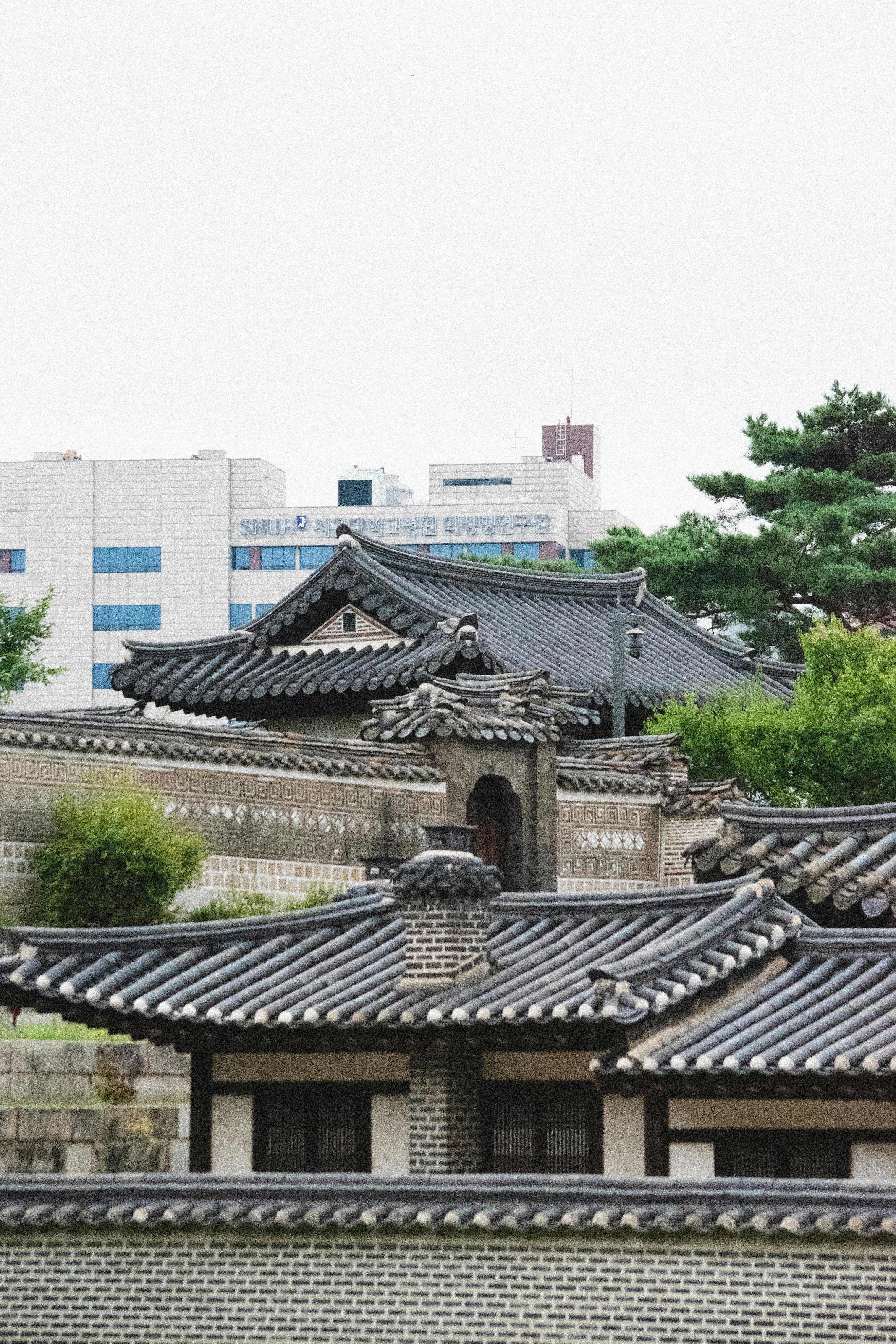
Traditional and modern Korean culture buildings

Korea is a beautiful blend of deep-rooted traditions and modern living.

Did any of these etiquette rules surprise you? If you have questions about specific social situations or want to know more about Korean culture, please leave a comment below! I will get back to you as quickly as possible.


Thursday, April 30, 2026

The Ultimate Guide to Experiencing a Korean Jjimjilbang

The Ultimate Guide to Experiencing a Korean Jjimjilbang

If you're looking for the ultimate relaxation after a long day of sightseeing in Korea, look no further than a Jjimjilbang. These large, gender-segregated public bathhouses are more than just a place to wash up; they are essential community hubs for wellness and socializing. Here is everything a first-timer needs to know.

1. What Exactly is a Jjimjilbang?

A Jjimjilbang typically features hot tubs, steam rooms, various themed dry saunas, and even communal sleeping areas. Most are open 24 hours, making them a unique part of Korea's late-night culture.

  • The Uniform: Upon entry, you'll receive a set of comfortable cotton pajamas (usually orange, gray, or blue) to wear in the communal areas.
  • The Key: You'll be given a wristband key that tracks your purchases (snacks, drinks, massages) inside the facility. You pay for everything at the end.
Experience the ultimate relaxation in a traditional yet modern Korean spa

Experience the ultimate relaxation in a traditional yet modern Korean spa

2. Jjimjilbang Etiquette 101

The Golden Rule: You must shower thoroughly before entering the shared hot tubs. Scrubbing yourself clean is a sign of respect to others using the water.

  • Nudity: In the bathhouse (segregated by gender), nudity is required. Don't worry—it’s a normal part of the culture, and no one is looking at you!
  • Silence: The common areas are meant for relaxation. Keep your voice down and enjoy the peaceful atmosphere.

3. Iconic Snacks: Sikhye and Roasted Eggs

No trip to a Jjimjilbang is complete without trying the traditional snacks. Locals always order Sikhye (sweet rice drink) and hard-boiled eggs roasted in the sauna heat.

Refreshing beverages are the perfect companion after a hot sauna session

Refreshing beverages are the perfect companion after a hot sauna session

4. The "Sheep Head" Towel Look

You’ve probably seen it in K-dramas! Rolling your towel into two "horns" on the side is called the Yang-meori (Sheep Head). It's a fun tradition that helps keep the towel securely on your head while you relax.

Are you nervous or excited about your first Jjimjilbang visit? If you need recommendations for the best spas in Seoul or have questions about the etiquette, please leave a comment below! I will get back to you as quickly as possible.


Wednesday, April 29, 2026

A Guide to Korea’s Strict but Efficient Trash & Recycling System

A Guide to Korea’s Strict but Efficient Recycling System

If you're planning to stay in South Korea for a while, one of the first things you'll need to master is "Bunri-sugeo" (분리수거), or waste separation. Korea has a very strict volume-based waste fee system designed to maximize recycling. Here’s a simple breakdown of how to handle your trash like a local.

1. General Waste: The Mandatory Bags

General waste must be disposed of in official Jongnyangje (volume-rate) bags. You cannot use regular plastic bags.

  • Where to buy: Any convenience store or supermarket in your neighborhood.
  • Note: You must use the bags specific to your district (Gu). For example, a bag for Mapo-gu cannot be used in Gangnam-gu.
Official volume-rate bags for general and food waste in Korea

Official volume-rate bags for general and food waste in Korea

2. Food Waste: Animal Feed Recycling

In Korea, food waste is recycled into animal feed or fertilizer. It must be separated from general waste.

  • The Rule: If an animal can eat it, it's food waste.
  • Exceptions: Eggshells, chicken bones, fruit pits (like peaches), and onion skins are NOT food waste—they go in the general waste bag.

3. Recyclables: Separate by Material

Recycling is free, but it must be sorted into the correct bins. Most residential buildings have designated areas with bins labeled for:

  • Plastic: Rinse out food residue and remove plastic labels from bottles.
  • Paper: Flatten boxes and remove any tape.
  • Glass & Cans: Rinse them before disposal.
Clearly labeled recycling bins commonly found in Korean apartment complexes

Clearly labeled recycling bins commonly found in Korean apartment complexes

Avoid Fines: Improper disposal can lead to heavy fines (up to 1,000,000 KRW). Always check your building’s specific schedule for when to take out the trash, as it varies by neighborhood.

Is the recycling system in your country different from Korea's? If you're confused about where a specific item goes, please leave a comment below! I will get back to you as quickly as possible.


Monday, April 27, 2026

Dining Etiquette in Korea: A Guide for Travelers

Dining Etiquette in Korea: A Guide for Travelers

Korean dining culture is deeply rooted in respect and communal sharing. While it might seem complex at first, a few simple rules will help you enjoy your meal like a local. From hidden cutlery to the "no-tip" rule, here is your essential guide to eating out in South Korea.

1. The Best Part: No Tipping!

In South Korea, tipping is not expected or required. The price you see on the menu is exactly what you pay, as it already includes service charges and tax.

  • What to do: Simply say "Kamsahamnida" (Thank you) as you leave. If you leave money on the table, the staff may chase you down thinking you forgot your change!
Enjoying a variety of free side dishes (Banchan) is a core part of Korean dining

Enjoying a variety of free side dishes (Banchan) is a core part of Korean dining

2. Look Under the Table for Cutlery

If you don't see napkins or spoons on the table, don't panic. In many modern Korean restaurants, they are tucked away in a hidden drawer on the side of your table.

  • Self-Service: It’s polite to set the table for everyone in your group. Look for chopsticks, spoons, and napkins inside that side drawer.

3. Press the Magic "Call Button"

Instead of waving or shouting for a waiter, look for a small call button on the table. Pressing it once will notify the staff that you need assistance or are ready to order.

Many Korean restaurants feature efficient service tools to enhance your meal

Many Korean restaurants feature efficient service tools to enhance your meal

4. Important Table Manners

Wait for the Elders: It is respectful to wait until the oldest person at the table picks up their cutlery before you start eating.

Using Two Hands: When pouring or receiving a drink from someone older, always use two hands to show respect.

5. Paying the Bill

Unlike in Western countries where you pay at the table, in Korea, you usually take your bill to the counter near the entrance to pay on your way out.

Do you have any questions about Korean table manners or specific food recommendations? Please leave a comment below! I will get back to you as quickly as possible.