Showing posts with label Travel Guide. Show all posts

Tuesday, May 5, 2026

First Time in Seoul? Don't Miss These 4 Must-Visit Attractions

First Time in Seoul? Don't Miss These 4 Must-Visit Attractions

Seoul is a city where ancient tradition meets futuristic technology. With so many things to see, it can be overwhelming for first-time visitors. To help you plan your itinerary, here are the top 4 must-visit landmarks that capture the true essence of South Korea's capital.

1. Gyeongbokgung Palace

Built in 1395, this is the largest and most beautiful of Seoul's five grand palaces. Walking through its majestic gates feels like stepping back into the Joseon Dynasty.

  • Main Attraction: The Royal Guard Changing Ceremony (at 10 AM and 2 PM daily).
  • Tip: If you wear a Hanbok (Korean traditional dress), you can enter the palace for free!

Traveler's Tip: Most palaces are closed on Tuesdays. Check the schedule before you go to avoid a wasted trip!

2. N Seoul Tower (Namsan Tower)

Located on the top of Namsan Mountain, this tower offers the best panoramic view of the city. It is especially popular at sunset when the city lights begin to sparkle.

  • Highlights: The "Love Padlocks" at the base and the observatory at the top.
  • How to Get There: Take the Namsan Cable Car for a scenic ride up the mountain.

3. Lotte World & Lotte World Tower

For thrill-seekers and families, Lotte World is the world’s largest indoor theme park. Right next to it is the Seoul Sky observatory, the highest point in Korea.

  • Must-Do: Walk across the glass floor at Seoul Sky for a heart-pounding view from 555 meters up.

4. Bukchon Hanok Village

A residential neighborhood filled with hundreds of traditional Korean houses called "Hanok." It's the perfect place for a peaceful stroll and stunning photos.
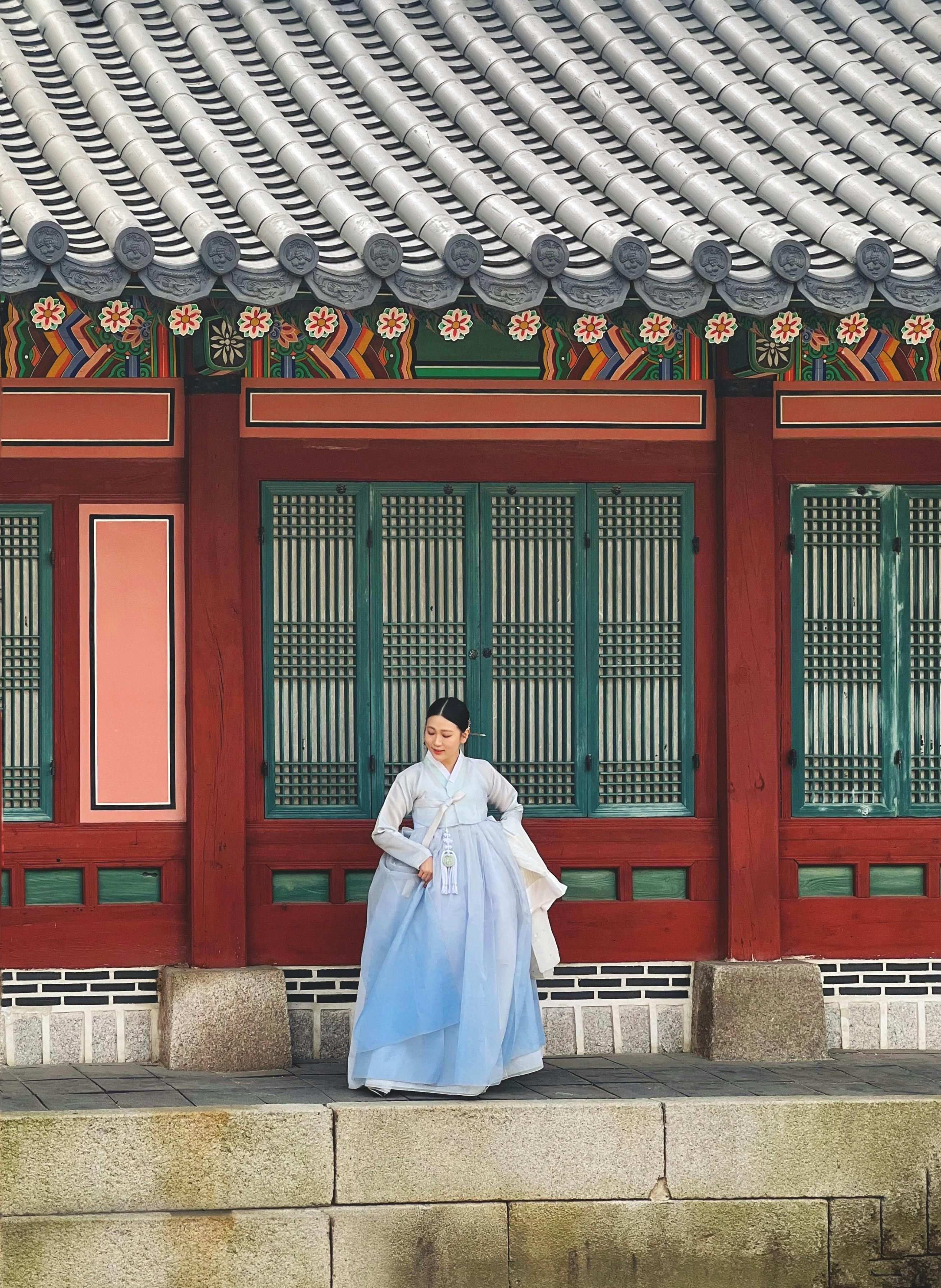
The breathtaking architecture of Gyeongbokgung Palace at sunset

Are you planning to visit more than three attractions? Let me know in the comments, and I'll tell you how to save up to 50% using a special pass!

Monday, May 4, 2026

Staying Connected in Korea: SIM Card, eSIM, or Pocket WiFi?

Staying Connected in Korea: SIM Card, eSIM, or Pocket WiFi?

South Korea is one of the most digitally connected countries in the world. To navigate the subway, find the best restaurants on KakaoMap, and share your journey on Instagram, you'll need reliable high-speed data. Here is a comparison to help you choose the best option for your trip.

1. Prepaid SIM Card: The Traveler's Choice

Buying a local SIM card is the most common way to get data. You can easily pick them up at the airport arrival hall.

  • Pros: Includes a local Korean phone number (useful for restaurant reservations), affordable, and reliable.
  • Cons: You have to swap your physical SIM card (unless you have a dual-SIM phone).
  • Best for: Solo travelers and those staying for more than 5 days.

Important Tip: Make sure your phone is Country Unlocked before you arrive in Korea. If it's locked to your home carrier, a Korean SIM card will not work!

2. eSIM: Instant and Convenient

If your phone supports eSIM technology (like iPhone 11 or later and newer Samsung models), this is the most seamless option.

  • Pros: No physical card needed; you can activate it instantly via a QR code. You can keep your home SIM card active for roaming calls.
  • Cons: Only available on newer smartphone models.
  • Best for: Travelers who want zero hassle and immediate connectivity upon landing.

3. Pocket WiFi (Portable Router)

A small device that acts as a mobile hotspot for multiple devices.

  • Pros: Connect up to 3-5 devices at once (phones, laptops, tablets). Great for groups.
  • Cons: You have to carry an extra device and keep it charged. You must return it at the airport before leaving.
  • Best for: Families or groups of friends traveling together.

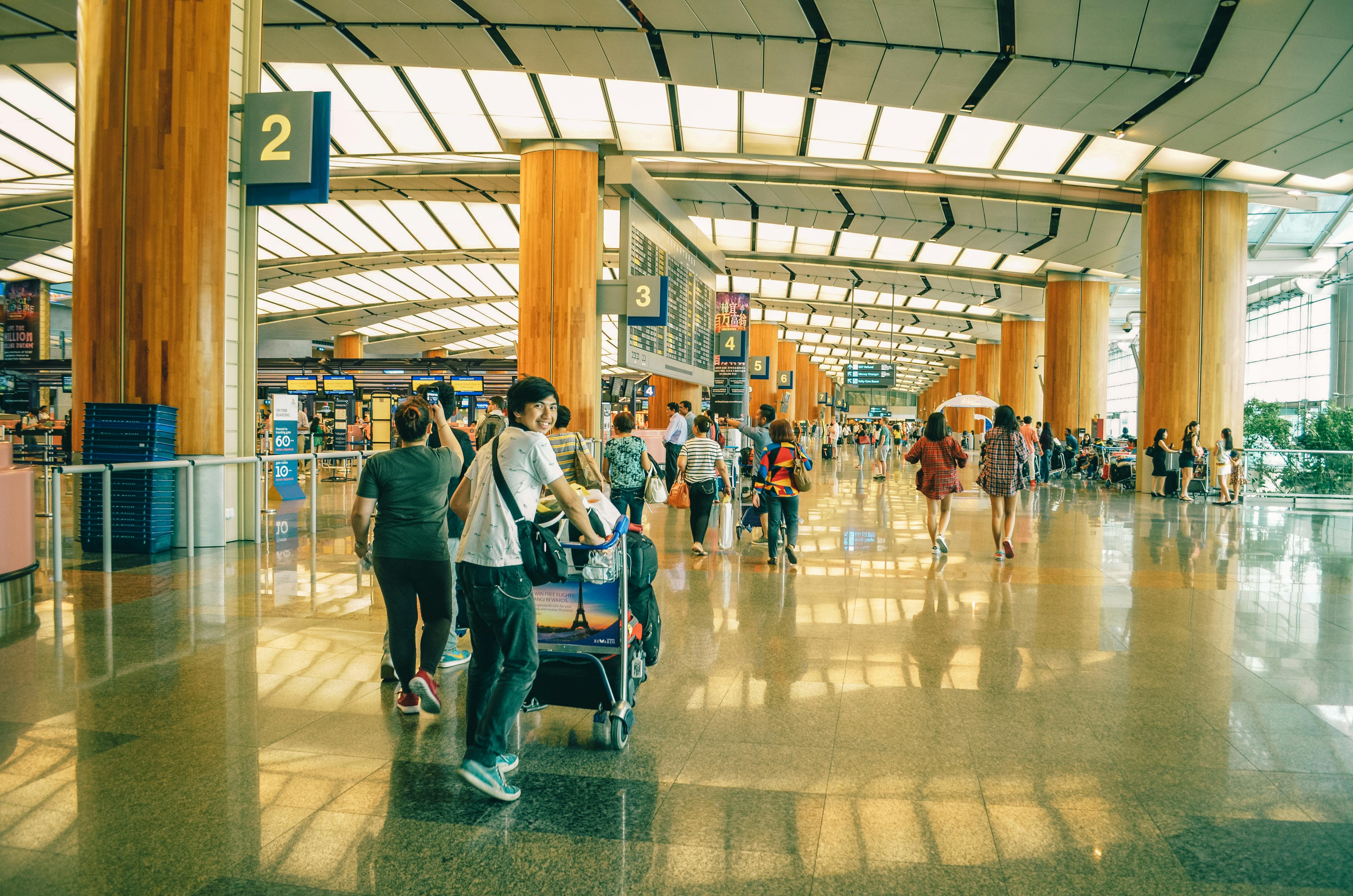
Pick up your data essentials at the Incheon Airport kiosks

Comparison at a Glance

Feature SIM Card eSIM Pocket WiFi
Installation Physical Swap QR Code Scan Connect WiFi
Phone No. Yes (Most) Data Only (Mostly) No
Best For Individual Convenience Groups

Are you unsure if your phone supports eSIM? Leave your phone model in the comments, and I'll check it for you!

Sunday, May 3, 2026

Where to Stay in Seoul: Myeongdong, Hongdae, or Gangnam?

Where to Stay in Seoul: Myeongdong, Hongdae, or Gangnam?

Seoul is a massive metropolis with each district offering a completely different vibe. Choosing the right neighborhood can make or break your trip. Whether you are a first-time visitor, a foodie, or a nightlife enthusiast, here is a guide to the best areas to stay in Seoul.

1. Myeongdong: The First-Timer's Favorite

If you want to be in the center of everything, Myeongdong is the place to be. It is the most popular tourist hub for a reason.

  • Vibe: Busy, tourist-friendly, and vibrant.
  • Best for: Shopping lovers, street food fans, and those who want easy access to public transport.
  • Pros: Almost everyone speaks basic English; walking distance to Namsan Tower and Gyeongbokgung Palace.

Insider Tip: Myeongdong is great for families because the airport limousine buses drop you off directly in front of the major hotels here!

2. Hongdae: Youth, Art, and Nightlife

Home to the prestigious Hongik University, this area is the heart of Korea’s youth culture.

  • Vibe: Creative, energetic, and trendy.
  • Best for: Solo travelers, budget travelers, and party-goers.
  • Pros: Direct train (AREX) from Incheon Airport; endless cafes, busking performances, and affordable fashion boutiques.

3. Gangnam: Luxury and Modernity

The "Beverly Hills" of Seoul. If you want high-end hotels and a sophisticated atmosphere, head south of the river.

  • Vibe: Upscale, clean, and futuristic.
  • Best for: Business travelers, K-pop fans, and luxury shoppers.
  • Pros: Home to the COEX Mall, Starfield Library, and world-class medical tourism clinics.

The vibrant shopping streets of Myeongdong

Comparison at a Glance

Area Main Vibe Best For...
Myeongdong Tourist Central First-timers & Families
Hongdae Youth & Indie Budget & Nightlife
Gangnam Luxury & Business High-end & K-Pop

Still not sure which neighborhood fits your style? Tell me your budget and interests in the comments, and I'll give you a personalized recommendation!

Beyond the Capital: Best Day Trips from Seoul

Beyond the Capital: Best Day Trips from Seoul

While Seoul offers endless excitement, the areas surrounding the capital are filled with historical landmarks, romantic landscapes, and unique cultural experiences. All of these destinations are accessible within 1-2 hours, making them perfect for a refreshing day trip. Here are the top 3 spots you shouldn't miss.

1. The DMZ (Demilitarized Zone): A Walk Through History

The DMZ is one of the most unique travel destinations in the world. It offers a rare glimpse into the history of the Korean War and the ongoing hope for peace.

  • What to see: The 3rd Infiltration Tunnel, Dora Observatory (where you can peek into North Korea), and Imjingak Park.
  • Note: You must bring your Passport and join an official guided tour to enter the restricted areas.
DMZ Peace Park near Seoul South Korea

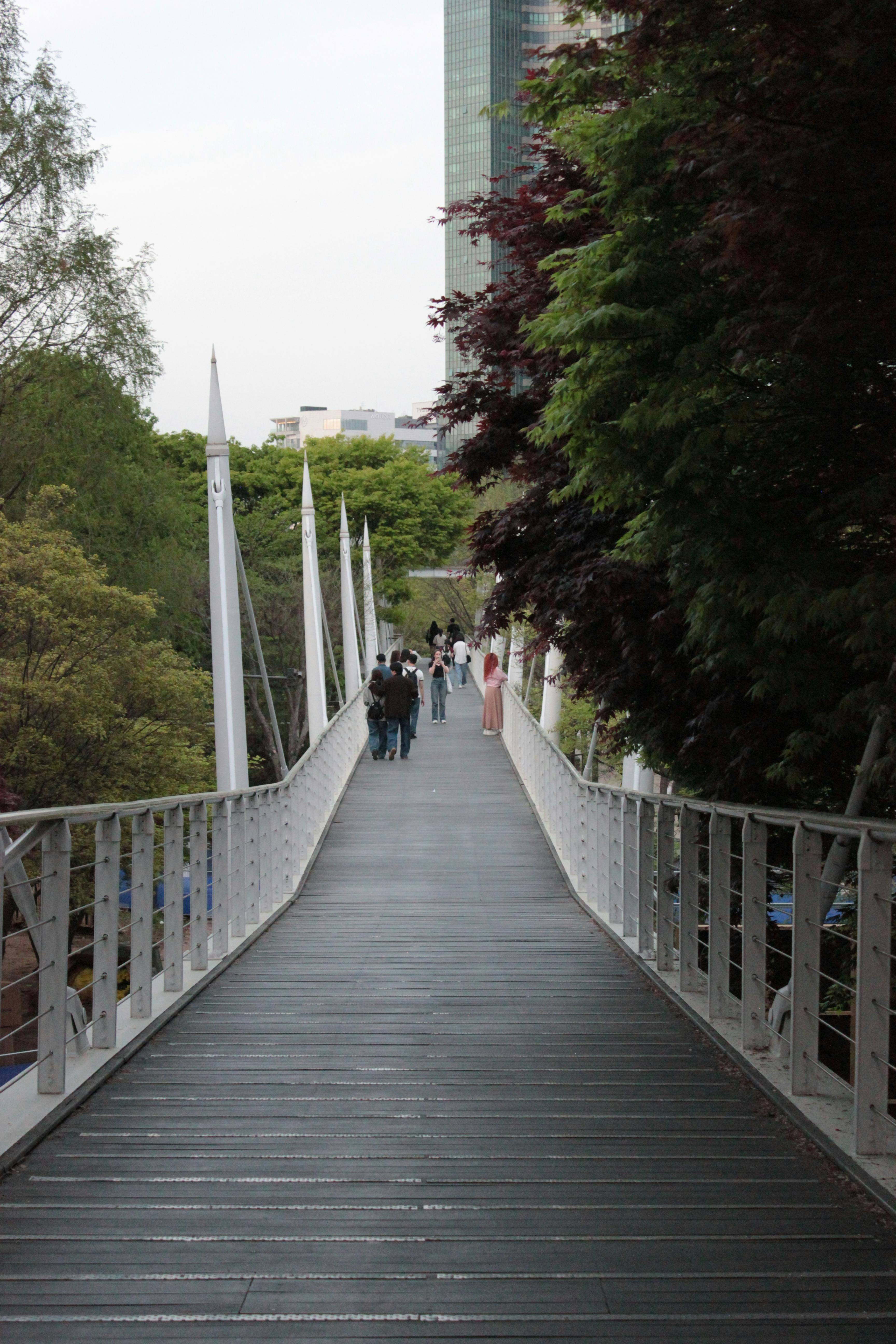
The bridge of freedom at Imjingak Park near the DMZ

2. Nami Island: Romance and Nature

Famous as a filming location for K-dramas, Nami Island is a crescent-shaped island known for its beautiful tree-lined paths and peaceful atmosphere.

  • Highlights: Walk through the Metasequoia Road and enjoy a bicycle ride around the island. It's beautiful in every season, but especially in Autumn and Winter.
  • Access: Take the ITX-Cheongchun train to Gapyeong Station.
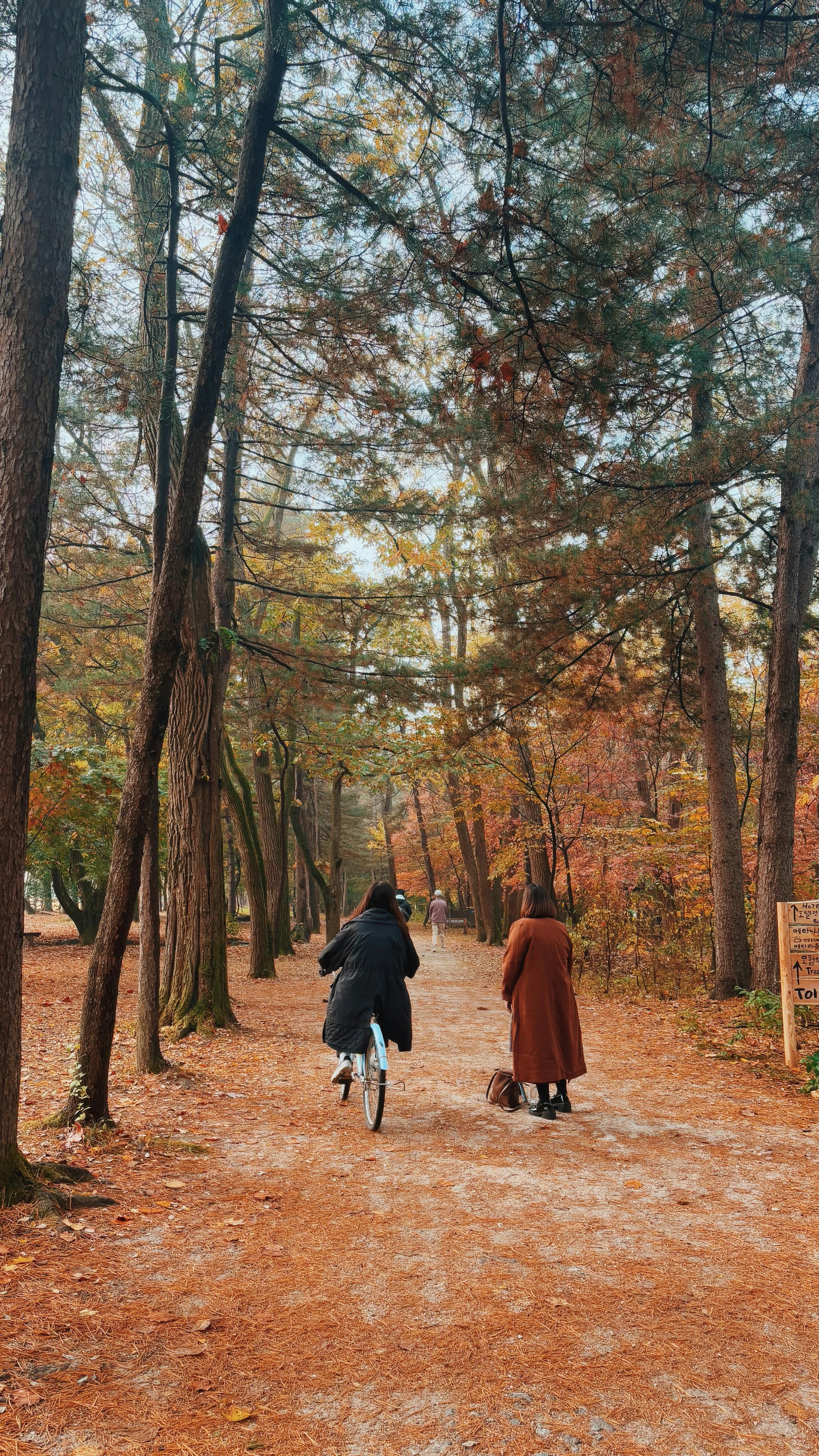
Nami Island Autumn Foliage Korea

The stunning autumn foliage on Nami Island

3. Suwon Hwaseong Fortress: Majestic Architecture

A UNESCO World Heritage site, the Suwon Hwaseong Fortress is a masterpiece of late Joseon Dynasty architecture. The massive walls stretch across the city of Suwon.

  • Experience: Walk along the fortress walls for a stunning view of the city or try traditional Korean Archery.

Traveler Tip: For Nami Island and Suwon, using the Naver Map app will provide the fastest public transport routes. For the DMZ, remember to book your tour at least a week in advance as they fill up quickly!

Which of these day trips are you planning to add to your itinerary? If you have questions about tour bookings or train tickets, please leave a comment below! I will get back to you as quickly as possible.


Exploring Seoul’s Vibrant University Districts: Hongdae, Sinchon & More

Exploring Seoul’s Vibrant University Districts: Hongdae, Sinchon & More

To truly feel the energetic pulse of Seoul, you must visit its university districts. These neighborhoods are where trends are born, street food is perfected, and nightlife never ends. From indie art scenes to high-fashion streets, here are the top university areas every traveler should explore.

1. Hongdae: The Epicenter of Art and Nightlife

Located near Hongik University, Hongdae is famous for its youthful, artistic atmosphere. It's the best place in Seoul to experience Korea’s indie music scene and vibrant street performances (busking).

  • What to do: Watch dancers and singers at the "Hongdae Walking Street" or explore unique indie fashion boutiques.
  • Nightlife: Hongdae is home to the most energetic clubs and bars that stay open until the early morning.

The electric neon lights of Hongdae's busy shopping and entertainment streets

2. Sinchon & Ewha: Shopping and Trendy Eats

Sinchon (Yonsei University area) and the Ewha Womans University district are perfect for those who love trendy, affordable fashion and cozy cafes.

  • Ewha Fashion Street: Known for being a paradise for budget-friendly women’s clothing, cosmetics, and accessories.
  • The Campus: Ewha’s campus is famous for its stunning modern architecture, especially the Ewha Campus Center (ECC).

The iconic modern architecture of Ewha Womans University campus

3. Hyehwa (Daehangno): The Heart of Theater

Unlike the loud clubs of Hongdae, Hyehwa is the cultural hub for performing arts. With over 100 small theaters, it's the Broadway of Korea.

  • Naksan Park: Hike up from Hyehwa to enjoy a peaceful sunset view over the Seoul City Wall.

Traveler Tip: University districts offer the best value for money! Look for "Gasi-sikdang" (student-friendly restaurants) for large portions at incredibly low prices.

Which district matches your vibe better: the artistic Hongdae or the cultural Hyehwa? If you need specific cafe or restaurant recommendations in these areas, please leave a comment below! I will get back to you as quickly as possible.


Hiking in Korea: Best Scenic Trails in Seoul

Hiking in Korea: Best Scenic Trails in Seoul

Did you know that Seoul is surrounded by beautiful mountains? Hiking is a national pastime in Korea, and you don't have to travel far to find world-class trails. Whether you're a seasoned hiker or a casual walker, these trails offer the best views of the city skyline.

1. Bukhansan National Park: The Grand Challenge

As the only national park within a city’s boundaries, Bukhansan is the crown jewel of Seoul’s mountains. Its granite peaks provide a dramatic backdrop to the urban sprawl.

  • Baegundae Peak: The highest point (836m). It’s a challenging hike but rewards you with a 360-degree panoramic view of Seoul.
  • Access: Take the subway to Bukhansan Ui Station (Ui-Sinseol Line).

The majestic granite peaks of Bukhansan National Park

2. Inwangsan: The Best City & Night View

If you want a shorter hike with an incredible view of the Seoul City Wall and the royal palaces, Inwangsan is the place to go.

  • The Trail: The path follows the ancient Seoul City Wall, making it both a cultural and scenic journey.
  • Night Hike: This is one of the safest and most popular spots for night hiking. The golden lights along the wall are magical.

The Seoul City Wall trail on Inwangsan Mountain

3. Essential Hiking Tips for Korea

Hiking Etiquette: It is common for Korean hikers to greet each other with "Annyeonghaseyo" (Hello) on the trail. Also, don't be surprised if someone offers you a slice of cucumber or a piece of candy—it's part of the friendly hiking culture!

  • Safety First: Always stay on the marked trails. The granite rocks can be slippery, especially after rain.
  • Gear: While some people hike in sneakers, trekking shoes with good grip are highly recommended for the rocky terrain.

Do you have a favorite hiking spot in Korea, or are you planning your first hike? Leave a comment below! I will get back to you as quickly as possible with tips and directions.


Staying in Korea: From Traditional Hanok to Luxury Hotels

Staying in Korea: From Traditional Hanok to Luxury Hotels 

Finding the right place to stay is crucial for an unforgettable trip. South Korea offers a wide range of accommodations, from centuries-old traditional houses to world-class luxury hotels. Here is a guide to help you choose the perfect "home away from home" in Korea.

1. Hanok Stay: A Cultural Journey

For a truly authentic experience, nothing beats staying in a Hanok, a traditional Korean house. You can enjoy the beauty of wooden beams, tiled roofs, and peaceful courtyards.

  • What to expect: Many Hanoks offer floor-sleeping arrangements (Yo), though some modern ones provide beds.
  • Best locations: Bukchon Hanok Village (Seoul), Jeonju Hanok Village, and Gyeongju.

A beautiful traditional Hanok house in Seoul

2. Luxury and Business Hotels

If you prefer comfort and modern amenities, Korea's hotel scene is top-tier. From global chains like Marriott to premium local brands like The Shilla and Lotte Hotels.

  • Business Hotels: Brands like Shilla Stay or Lotte City Hotel offer great value for money with a sleek, modern vibe.
  • Five-Star Luxury: These hotels often feature world-class spas, infinity pools, and some of the best buffet restaurants in the city.

Modern luxury hotel with a stunning view of the Seoul skyline

3. Unique Stays: Templestay and Pensions

Templestay: If you seek inner peace, consider staying at a Buddhist temple. You can experience monastic life, meditation, and traditional vegan meals.

Pensions: Popular in the countryside or near beaches, these are vacation homes where you can grill BBQ and enjoy nature with friends or family.

4. Budget-Friendly Options

  • Guesthouses & Hostels: Perfect for solo travelers and backpackers looking to meet new people.
  • Goshiwon / One-room: For long-term travelers on a very tight budget, these offer small but private rooms.

If you have any questions about booking a Hanok stay or need a recommendation for a specific area, please leave a comment below! I will get back to you as quickly as possible.


Korea Travel Visa Guide: Everything You Need Before You Fly

Korea Travel Visa Guide: Everything You Need Before You Fly

South Korea is a bucket-list destination for many, but the very first step of your journey isn't packing your bags—it's securing your entry. Depending on your nationality, you might need a K-ETA or a Tourist Visa (C-3-9). Let's break down exactly what you need to prepare.

1. K-ETA vs. Tourist Visa: Which One Do You Need?

Before doing anything else, check which category your country falls into. This will save you weeks of unnecessary paperwork.

  • K-ETA (Visa-Free Entry): For travelers from around 110 countries. It’s an online authorization that usually gets approved within hours.
  • Standard Tourist Visa (C-3-9): For travelers from countries not eligible for K-ETA. You must apply at a Korean Embassy or Consulate.

Important Update: As of 2024, certain countries are temporarily exempt from the K-ETA requirement to promote tourism. However, even if exempt, applying for a K-ETA allows you to skip the arrival card at the airport!

2. Essential Documents Checklist

If you are applying for a formal visa at an embassy, make sure you have these core documents ready. Missing even one can lead to a delay or rejection:

  • Valid Passport: Must be valid for at least 6 months after your entry date.
  • Application Form: Neatly filled out with a recent 3.5cm x 4.5cm photo.
  • Financial Records: Typically 3-6 months of bank statements to show you can afford your trip.
  • Flight Itinerary: A confirmed round-trip ticket or a detailed flight plan.
  • Hotel Reservation: Proof of where you will be staying for at least the first few nights.

3. Pro-Tips for a Smooth Approval

Applying for a visa can be stressful, but these tips will help ensure success:

  • Apply Early: Give yourself at least 4 weeks before your departure date.
  • Be Specific: In your travel plan, list specific landmarks like "Gyeongbokgung Palace" or "N Seoul Tower" instead of just writing "Sightseeing."
  • Check Fees: Most embassies only accept cash (USD or local currency) for visa fees.

Are you having trouble with your visa application? Or not sure which embassy to visit? Leave a comment below, and I'll help you find the right information!

Friday, May 1, 2026

A Guide to Discovering Seoul’s 5 Grand Palaces

A Guide to Discovering Seoul’s 5 Grand Palaces

Seoul is a city where futuristic skyscrapers and ancient palaces coexist in perfect harmony. The Five Grand Palaces of the Joseon Dynasty are must-visit landmarks that offer a deep dive into Korea's royal history and stunning traditional architecture. Here is your essential guide to visiting these majestic sites.

1. Gyeongbokgung: The Main Royal Palace

As the largest and most iconic palace, Gyeongbokgung is the heart of royal Seoul. Built in 1395, it served as the main palace of the Joseon Dynasty.

  • Royal Guard Ceremony: Don't miss the changing of the guards at Gwanghawmun Gate (10 AM & 2 PM).
  • Hanbok Tip: Entry is FREE if you visit while wearing a Hanbok (traditional Korean dress).

The majestic main throne hall of Gyeongbokgung Palace

2. Changdeokgung: The Secret Garden

This UNESCO World Heritage site is famous for being in total harmony with its natural surroundings. It was the preferred residence of many Joseon kings.

  • Huwon (Secret Garden): A stunning rear garden that requires a separate guided tour ticket. It is best seen during autumn or spring.

3. Deoksugung: Tradition Meets Modernity

Located near Seoul City Hall, this palace is unique because it features Western-style stone buildings alongside traditional Korean structures.

  • Stonewall Walk: The path outside the palace is incredibly romantic and popular for quiet strolls.

Intricate and colorful traditional Korean palace roof designs

4. Essential Visitor Information

Integrated Ticket: If you plan to visit all 5 palaces plus the Jongmyo Shrine, buy the Integrated Ticket (10,000 KRW). It’s valid for 3 months and saves you money!

  • Closed Days: Most palaces are closed on Mondays, but Gyeongbokgung is closed on Tuesdays.
  • Night Openings: Check for seasonal night openings for a truly magical, illuminated experience.

Are you planning to visit the palaces or want to know where to rent the best Hanbok? Please leave a comment below! I will get back to you as quickly as possible.


Wednesday, April 29, 2026

Top 5 Essential Apps You Must Download Before Visiting Korea

Top 5 Essential Apps You Must Download Before Visiting Korea

Planning a trip to South Korea? While global favorites like Google Maps work in many places, they are often inaccurate in Korea due to local regulations. To navigate like a local and make your trip seamless, you’ll need these 5 essential Korean "super apps."

1. Naver Map: The Best Way to Navigate

Naver Map is the most accurate navigation app in Korea. It provides real-time data for subways, buses, and even walking directions through tiny alleys.

  • Why you need it: Google Maps lacks precise walking directions in Korea. Naver Map is much more reliable.
  • Support: Available in English, Chinese, and Japanese.
Smart navigation is key to exploring the streets of Korea

Smart navigation is key to exploring the streets of Korea

2. Kakao T: The Korean Uber

Getting a taxi is incredibly easy with Kakao T. You can call a taxi to your exact location and see the estimated fare in advance.

  • Tip: If you don't have a Korean credit card, you can select "Pay to the driver" to pay with cash or your international card at the end of the ride.

3. Papago: Your AI Translator

While many Koreans speak basic English, Papago is essential for translating menus, street signs, and more complex conversations. Its image-to-text translation feature is a lifesaver.

Translate menus and signs instantly with the Papago app

Translate menus and signs instantly with the Papago app

4. VisitKorea: Official Travel Guide

Operated by the Korea Tourism Organization, this app is packed with information on attractions, festivals, and restaurants across the country.

5. KakaoTalk: The Universal Messenger

In Korea, everyone uses KakaoTalk. Many local businesses or tour guides prefer communicating through this app. It's also required for using public Wi-Fi in some locations.

Traveler Tip: Make sure to download and set up these apps while you still have your home country's SIM card, as some may require SMS verification.

Are you having trouble setting up any of these apps or want to know more about local SIM cards? Please leave a comment below! I will get back to you as quickly as possible.

App service Android (Google Play) Apple (App Store)
KakaoTalk Download Download
Naver Map Download Download
KakaoMap Download Download
Papago Download Download
Kakao T Download Download