Tuesday, May 5, 2026

First Time in Seoul? Don't Miss These 4 Must-Visit Attractions

First Time in Seoul? Don't Miss These 4 Must-Visit Attractions

Seoul is a city where ancient tradition meets futuristic technology. With so many things to see, it can be overwhelming for first-time visitors. To help you plan your itinerary, here are the top 4 must-visit landmarks that capture the true essence of South Korea's capital.

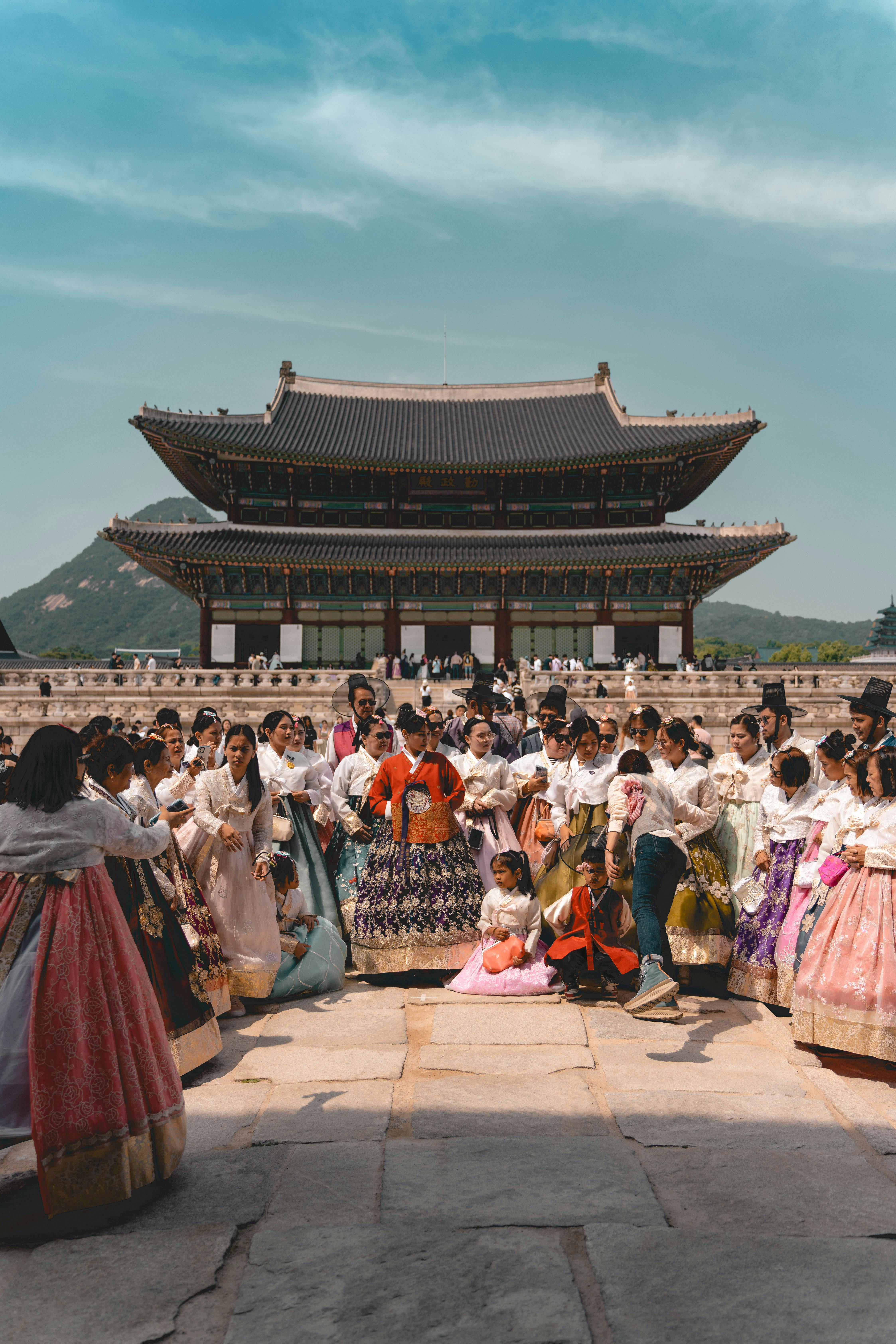
1. Gyeongbokgung Palace

Built in 1395, this is the largest and most beautiful of Seoul's five grand palaces. Walking through its majestic gates feels like stepping back into the Joseon Dynasty.

  • Main Attraction: The Royal Guard Changing Ceremony (at 10 AM and 2 PM daily).
  • Tip: If you wear a Hanbok (Korean traditional dress), you can enter the palace for free!

Traveler's Tip: Most palaces are closed on Tuesdays. Check the schedule before you go to avoid a wasted trip!

2. N Seoul Tower (Namsan Tower)

Located on the top of Namsan Mountain, this tower offers the best panoramic view of the city. It is especially popular at sunset when the city lights begin to sparkle.

  • Highlights: The "Love Padlocks" at the base and the observatory at the top.
  • How to Get There: Take the Namsan Cable Car for a scenic ride up the mountain.

3. Lotte World & Lotte World Tower

For thrill-seekers and families, Lotte World is the world’s largest indoor theme park. Right next to it is the Seoul Sky observatory, the highest point in Korea.

  • Must-Do: Walk across the glass floor at Seoul Sky for a heart-pounding view from 555 meters up.

4. Bukchon Hanok Village

A residential neighborhood filled with hundreds of traditional Korean houses called "Hanok." It's the perfect place for a peaceful stroll and stunning photos.
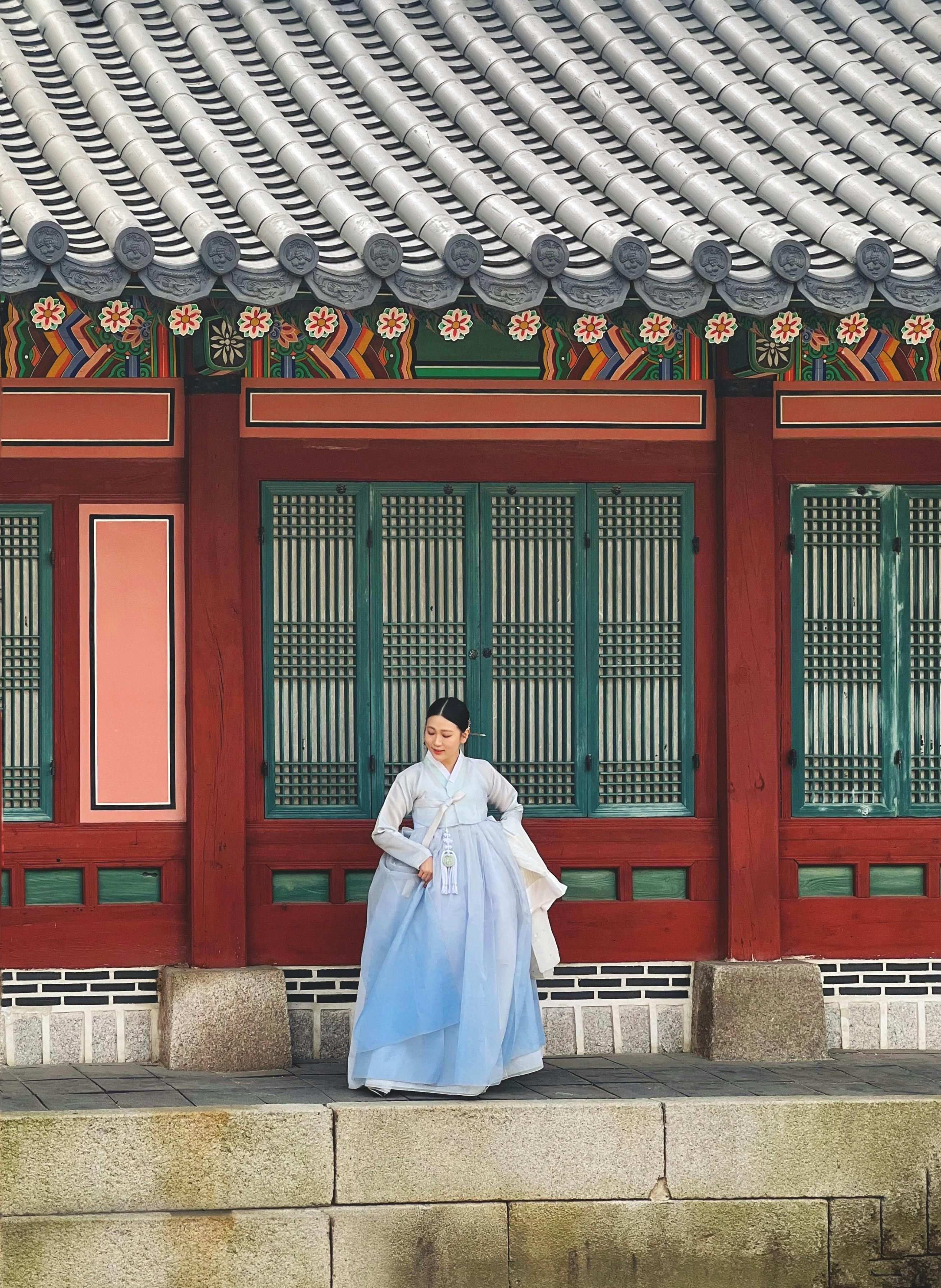
The breathtaking architecture of Gyeongbokgung Palace at sunset

Are you planning to visit more than three attractions? Let me know in the comments, and I'll tell you how to save up to 50% using a special pass!

Monday, May 4, 2026

Top 5 Essential Apps for Traveling in South Korea

Top 5 Essential Apps for Traveling in South Korea

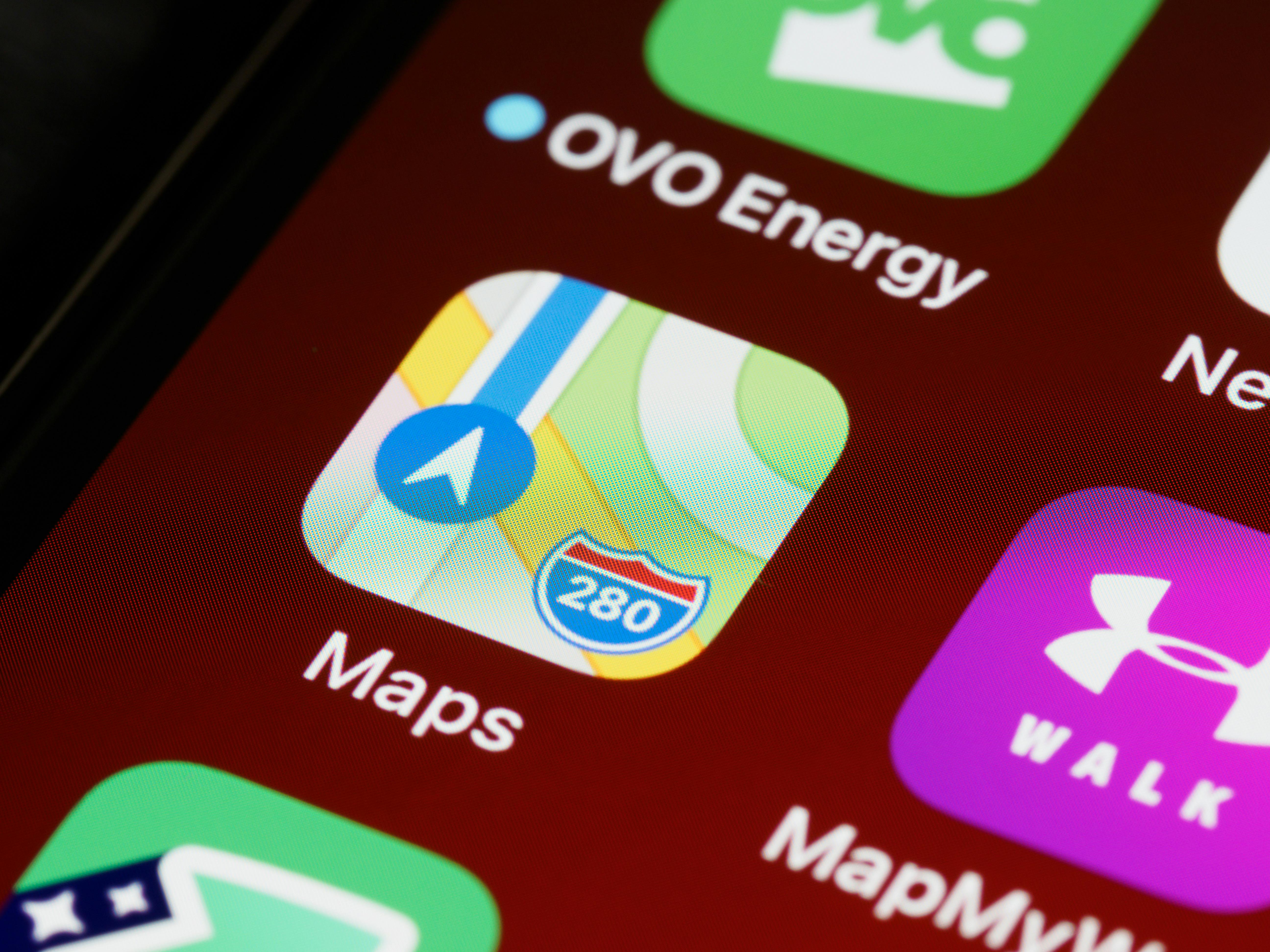
South Korea is a digital-first country. While Google Maps works in most parts of the world, it is famously limited in Korea. To navigate like a pro and find the best hidden gems, you’ll need to download a few local apps before you arrive. Here are the must-haves.

1. NAVER Map or KakaoMap

Forget Google Maps. For accurate walking directions, bus arrival times, and restaurant reviews, these two are the gold standard.

  • Why: They provide real-time GPS data, subway exits, and even tell you which subway car is closest to your transfer.
  • Tip: NAVER Map offers excellent English support. You can save "Favorites" for your hotel and planned attractions.

Pro Tip: Many Korean restaurants don't have English names on maps. Use the phone number or the Korean name (Hangeul) to search more accurately!

2. Kakao T (Taxi & Mobility)

Hailing a taxi on the street can be tough, especially during peak hours. Kakao T is the Korean version of Uber/Grab.

  • Why: You can call a standard, deluxe, or large taxi. It shows the estimated fare and the driver's location in real-time.
  • Tip: You can now use international credit cards with the "Vetted" payment option, making it very foreigner-friendly.

3. Papago (Translation)

While many Koreans speak basic English, Papago is far more accurate than Google Translate for Korean nuances.

  • Why: It features an "Image Translation" mode—perfect for reading menus or bus stop signs.
  • Tip: Use the voice-to-voice feature for real-time conversations with locals.

4. Subway Korea

Seoul’s subway system is one of the largest in the world. This app makes it simple.

  • Why: It provides the fastest routes, transfer info, and even alerts you if there are delays.

Using local apps to navigate the high-tech streets of Seoul

Are you having trouble setting up your Kakao T account? Or need a restaurant recommendation near your hotel? Let me know in the comments!

Staying Connected in Korea: SIM Card, eSIM, or Pocket WiFi?

Staying Connected in Korea: SIM Card, eSIM, or Pocket WiFi?

South Korea is one of the most digitally connected countries in the world. To navigate the subway, find the best restaurants on KakaoMap, and share your journey on Instagram, you'll need reliable high-speed data. Here is a comparison to help you choose the best option for your trip.

1. Prepaid SIM Card: The Traveler's Choice

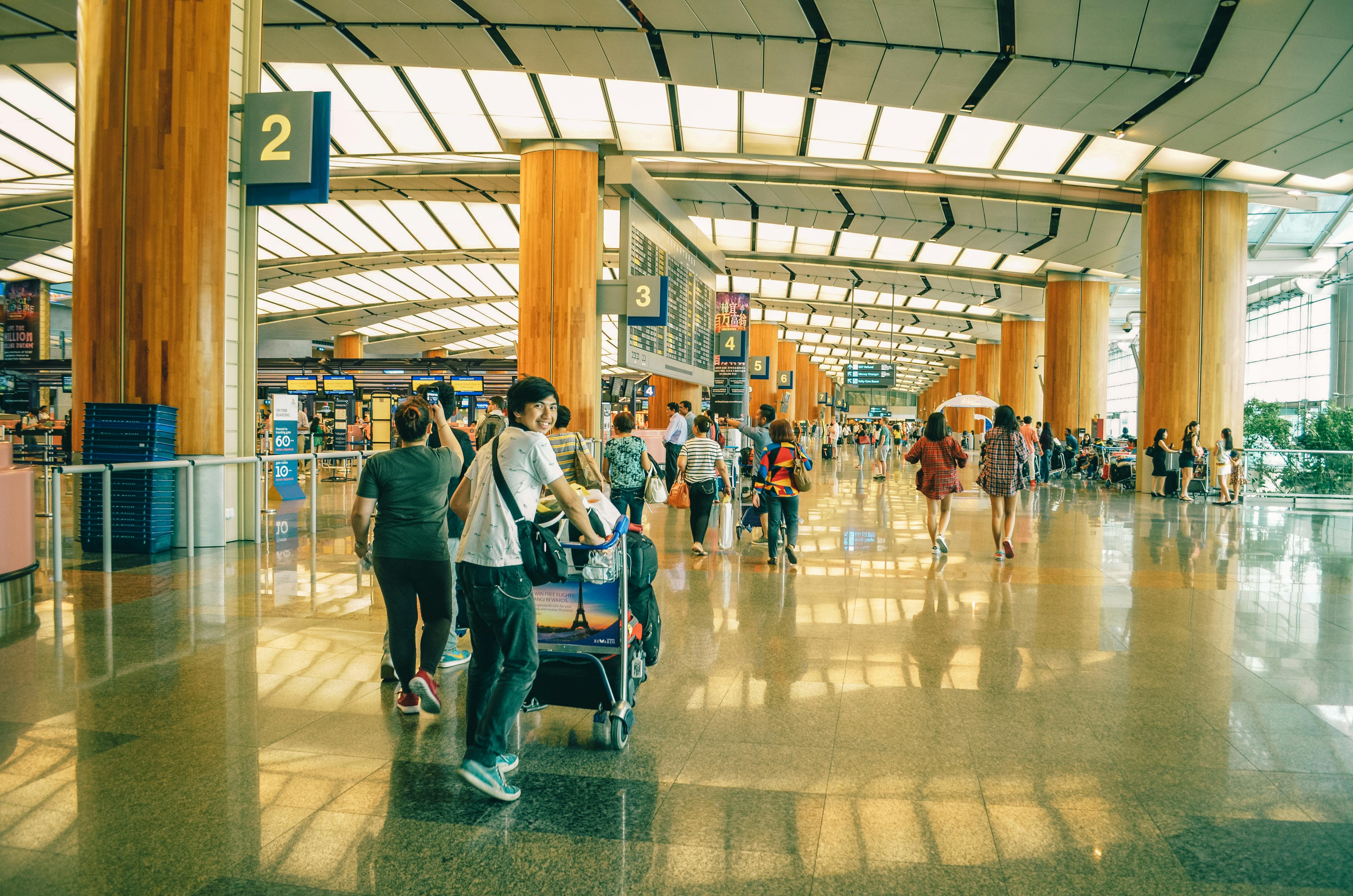
Buying a local SIM card is the most common way to get data. You can easily pick them up at the airport arrival hall.

  • Pros: Includes a local Korean phone number (useful for restaurant reservations), affordable, and reliable.
  • Cons: You have to swap your physical SIM card (unless you have a dual-SIM phone).
  • Best for: Solo travelers and those staying for more than 5 days.

Important Tip: Make sure your phone is Country Unlocked before you arrive in Korea. If it's locked to your home carrier, a Korean SIM card will not work!

2. eSIM: Instant and Convenient

If your phone supports eSIM technology (like iPhone 11 or later and newer Samsung models), this is the most seamless option.

  • Pros: No physical card needed; you can activate it instantly via a QR code. You can keep your home SIM card active for roaming calls.
  • Cons: Only available on newer smartphone models.
  • Best for: Travelers who want zero hassle and immediate connectivity upon landing.

3. Pocket WiFi (Portable Router)

A small device that acts as a mobile hotspot for multiple devices.

  • Pros: Connect up to 3-5 devices at once (phones, laptops, tablets). Great for groups.
  • Cons: You have to carry an extra device and keep it charged. You must return it at the airport before leaving.
  • Best for: Families or groups of friends traveling together.

Pick up your data essentials at the Incheon Airport kiosks

Comparison at a Glance

Feature SIM Card eSIM Pocket WiFi
Installation Physical Swap QR Code Scan Connect WiFi
Phone No. Yes (Most) Data Only (Mostly) No
Best For Individual Convenience Groups

Are you unsure if your phone supports eSIM? Leave your phone model in the comments, and I'll check it for you!

Sunday, May 3, 2026

Where to Stay in Seoul: Myeongdong, Hongdae, or Gangnam?

Where to Stay in Seoul: Myeongdong, Hongdae, or Gangnam?

Seoul is a massive metropolis with each district offering a completely different vibe. Choosing the right neighborhood can make or break your trip. Whether you are a first-time visitor, a foodie, or a nightlife enthusiast, here is a guide to the best areas to stay in Seoul.

1. Myeongdong: The First-Timer's Favorite

If you want to be in the center of everything, Myeongdong is the place to be. It is the most popular tourist hub for a reason.

  • Vibe: Busy, tourist-friendly, and vibrant.
  • Best for: Shopping lovers, street food fans, and those who want easy access to public transport.
  • Pros: Almost everyone speaks basic English; walking distance to Namsan Tower and Gyeongbokgung Palace.

Insider Tip: Myeongdong is great for families because the airport limousine buses drop you off directly in front of the major hotels here!

2. Hongdae: Youth, Art, and Nightlife

Home to the prestigious Hongik University, this area is the heart of Korea’s youth culture.

  • Vibe: Creative, energetic, and trendy.
  • Best for: Solo travelers, budget travelers, and party-goers.
  • Pros: Direct train (AREX) from Incheon Airport; endless cafes, busking performances, and affordable fashion boutiques.

3. Gangnam: Luxury and Modernity

The "Beverly Hills" of Seoul. If you want high-end hotels and a sophisticated atmosphere, head south of the river.

  • Vibe: Upscale, clean, and futuristic.
  • Best for: Business travelers, K-pop fans, and luxury shoppers.
  • Pros: Home to the COEX Mall, Starfield Library, and world-class medical tourism clinics.

The vibrant shopping streets of Myeongdong

Comparison at a Glance

Area Main Vibe Best For...
Myeongdong Tourist Central First-timers & Families
Hongdae Youth & Indie Budget & Nightlife
Gangnam Luxury & Business High-end & K-Pop

Still not sure which neighborhood fits your style? Tell me your budget and interests in the comments, and I'll give you a personalized recommendation!

Getting from Incheon Airport to Central Seoul: AREX, Bus, or Taxi?

Getting from Incheon Airport to Central Seoul: AREX, Bus, or Taxi?

You’ve just landed at Incheon International Airport (ICN). Now, how do you get to your hotel in Seoul? Korea’s public transport is world-class, offering multiple options depending on your budget and luggage size. Here is the ultimate guide to making your arrival as smooth as possible.

1. AREX (Airport Railroad Express)

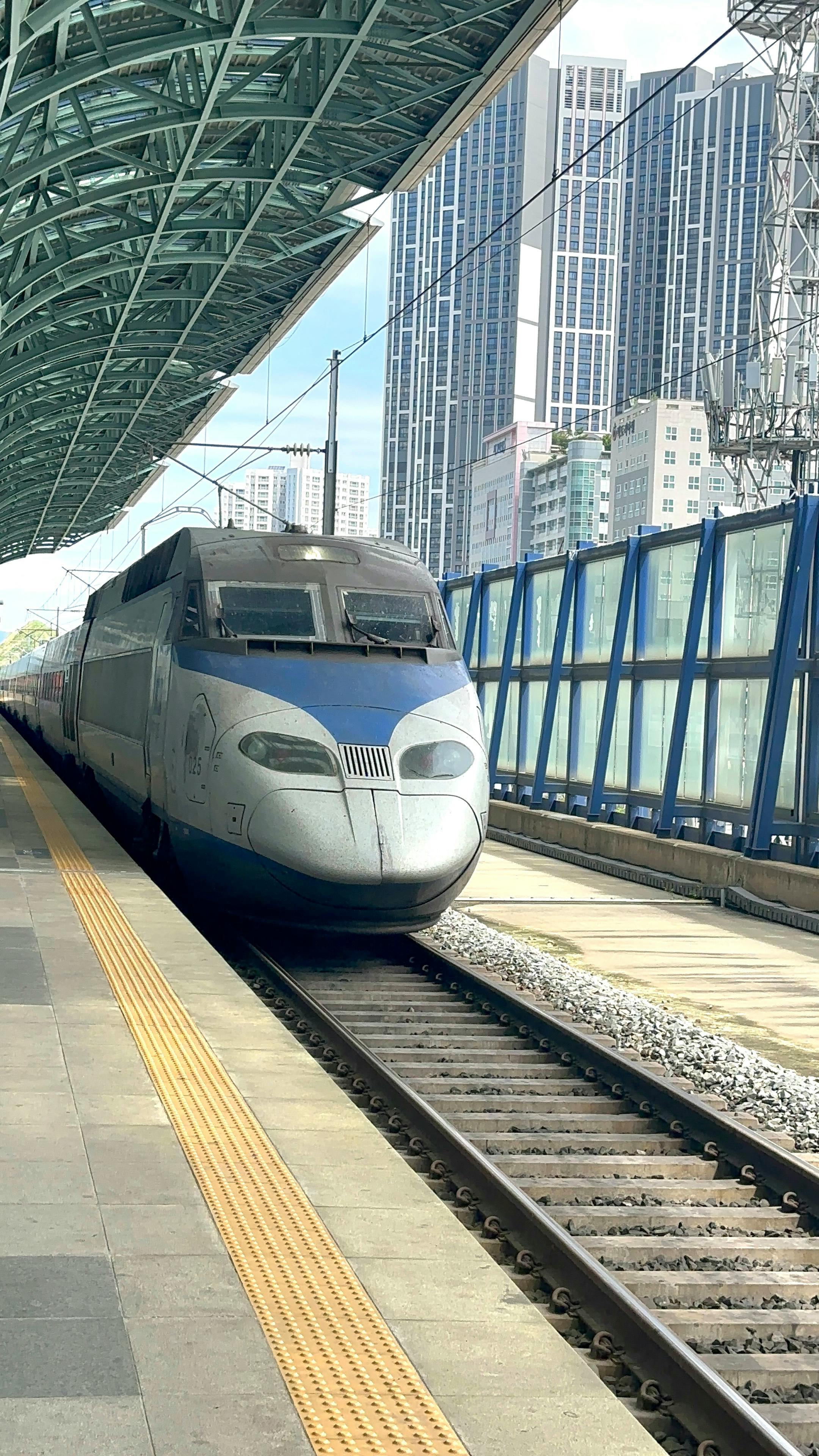
The fastest and most reliable way to reach Seoul Station. No traffic jams, no stress.

  • Express Train: Non-stop from ICN to Seoul Station (43 mins). Reserved seating and free Wi-Fi. Price: ~11,000 KRW.
  • All-Stop Train: Stops at major stations like Hongdae and Magongnaru. Much cheaper but takes about 60 mins. Price: ~4,150 - 4,750 KRW.

Pro Tip: If your hotel is in Hongdae, take the All-Stop Train. If you are staying in Myeongdong or Yongsan, the Express Train to Seoul Station is your best bet!

2. Airport Limousine Bus

If you have heavy luggage and don't want to carry it through subway stairs, the Limousine Bus is the best choice.

  • Convenience: It drops you off right in front of major hotels and neighborhoods (Myeongdong, Gangnam, Dongdaemun).
  • Comfort: High-quality reclining seats with plenty of legroom.
  • Price: 16,000 - 18,000 KRW. (Check your bus number at the ticket booth outside the arrival hall).

3. Taxis and Private Transfers

For those traveling in groups or arriving late at night, a taxi offers door-to-door convenience.

  • Regular Taxi: Standard fare to central Seoul is around 60,000 - 80,000 KRW (plus tolls).
  • International Taxi: Drivers speak English/Japanese/Chinese. Flat-rate fares available.
  • Late-night Surcharge: A 20-40% surcharge applies from midnight to 4:00 AM.

AREX Express Train: The fastest way to Seoul Station

4. Important: Don't Forget Your T-Money Card!

To use the subway or buses, you need a T-Money card. You can purchase these at any convenience store (CU, GS25, 7-Eleven) inside the airport. You must top it up with cash (KRW).

Are you landing at Terminal 1 or Terminal 2? If you're not sure which bus to take to your hotel, leave the hotel name in the comments!

Noraebang and PC Bangs: A Guide to Korea’s Fun Culture

Noraebang and PC Bangs: A Guide to Korea’s Fun Culture

When the sun goes down, Korea’s indoor "Bang" (meaning room) culture comes to life. Among them, Noraebang (Karaoke) and PC Bangs are the two most iconic entertainment spots where people of all ages go to de-stress and have fun. Here is how you can join the excitement like a local.

1. Noraebang: Sing Your Heart Out

Unlike Western-style karaoke bars where you sing on a stage in front of strangers, Korean Noraebangs offer private rooms for you and your friends.

  • Coin Noraebang: Perfect for solo travelers or small groups. You pay by the song (usually 500-1,000 KRW for 2-4 songs).
  • Regular Noraebang: Larger rooms rented by the hour. They often offer "Service" (extra free time) if you're lucky!
  • What to Expect: Tambourines, disco lights, and a massive songbook featuring the latest K-Pop and English pop hits.
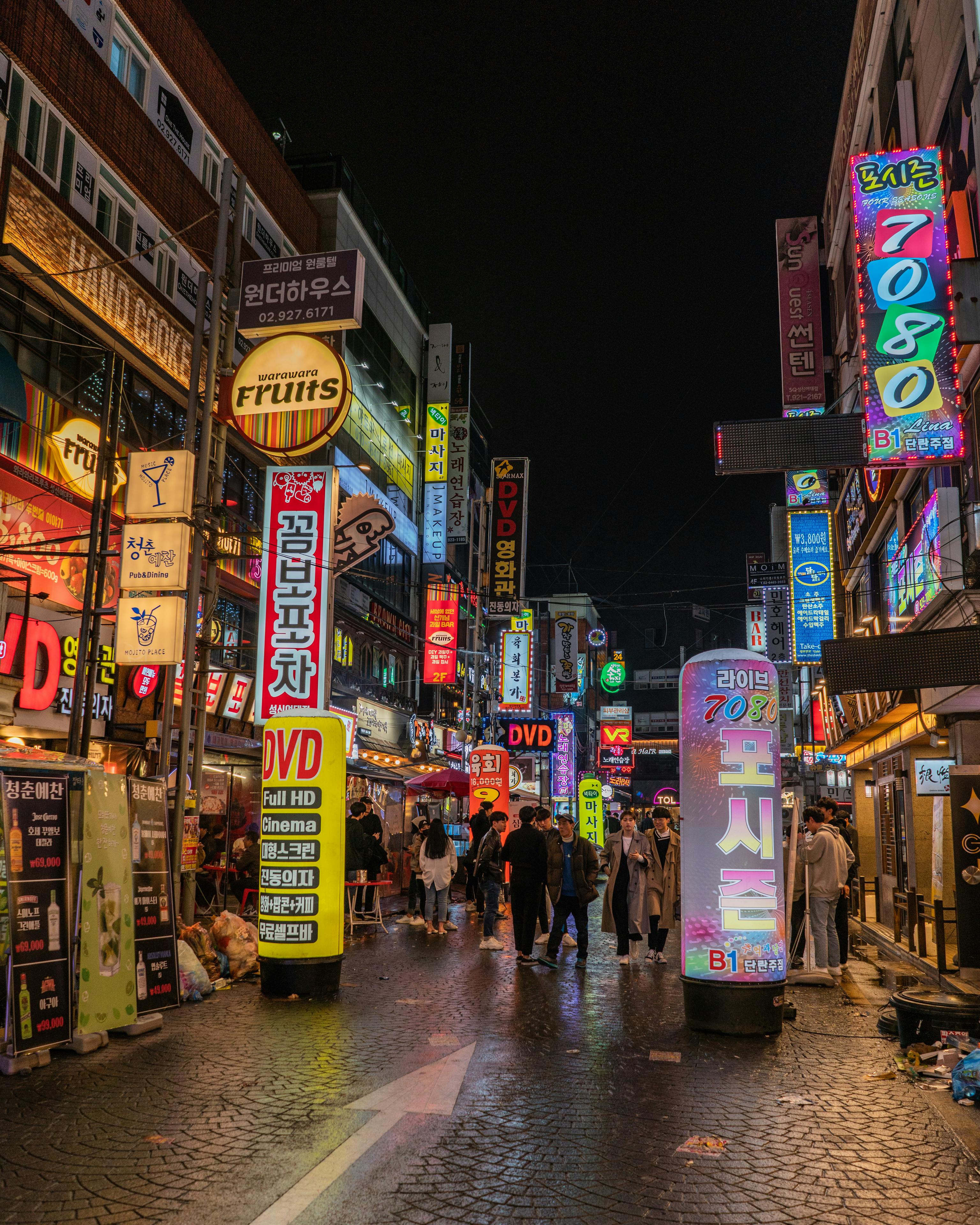
Neon lights and entertainment in Seoul Korea

The neon-lit streets of Seoul are filled with Noraebangs and PC Bangs.

2. PC Bang: The Ultimate Gaming Hub

Korea is the world's capital of e-sports, and PC Bangs are high-tech internet cafes equipped with the fastest internet and top-tier gaming PCs.

  • The Food: This is the best part! You can order delicious meals like ramyeon, fried rice, and iced coffee directly from your computer, and a staff member will bring it to your desk.
  • Affordability: Most PC Bangs cost around 1,000 to 2,000 KRW per hour.
Gaming Setup in a Korean PC Bang

Experience world-class gaming and food delivery at a local PC Bang.

3. Other Unique "Bang" Culture

  • Multi-bang: A "multiple-room" where you can play video games, watch movies, and sing karaoke all in one place.
  • Board Game Cafe: A cozy spot to enjoy hundreds of board games with snacks and drinks.

Traveler Tip: Most Noraebangs and PC Bangs are open 24/7. However, minors (under 19) are usually not allowed to enter after 10 PM. Don't forget to check out the "Service" culture—if you see extra minutes added to your screen in a Noraebang, it's a free gift from the owner!

Are you a fan of gaming or do you prefer singing your heart out? If you have questions about how to use the machines or where to find the best spots, please leave a comment below! I will get back to you as quickly as possible.


Essential Social Manners and Etiquette in South Korea

Essential Social Manners and Etiquette in South Korea

Every country has its own unique social norms, and South Korea is no exception. Understanding local etiquette is not just about avoiding mistakes; it’s about showing respect to the people and culture of your host country. Here is a guide to the most important social manners you should know when visiting Korea.

1. The Art of Bowing and Greetings

In Korea, bowing is the traditional way to greet, show gratitude, and say goodbye. The deeper the bow, the more respect is shown.

  • A Gentle Bow: For daily interactions like entering a shop or meeting a peer, a slight nod or a 15-degree bow is sufficient.
  • Eye Contact: Unlike in some Western cultures, prolonged intense eye contact can sometimes be seen as a challenge or impolite, especially with elders.
Respectful interaction and bowing in Korea

Showing respect through polite gestures is highly valued in Korean society.

2. Using Two Hands: Showing Respect

One of the most visible etiquette rules is using two hands when giving or receiving items. This applies to money, business cards, and especially drinks.

  • When to use it: Always use two hands when interacting with someone older or in a higher social position. If you use one hand, place the other hand on your wrist or chest as a sign of support and respect.

3. Public Behavior: Keep it Quiet

Public Transport Etiquette: On subways and buses, it is considered impolite to talk loudly or have long phone conversations. You will notice that Korean public transport is remarkably quiet.

  • Designated Seats: Even if the train is crowded, always leave the seats for the elderly, disabled, and pregnant women empty unless you fall into one of those categories.

4. Tipping and Trash

As mentioned in previous guides, Korea is a no-tip country. Service is included in the price. Additionally, keeping the streets clean is very important, though public trash cans can be hard to find—most people carry their trash until they find a bin in a subway station or convenience store.

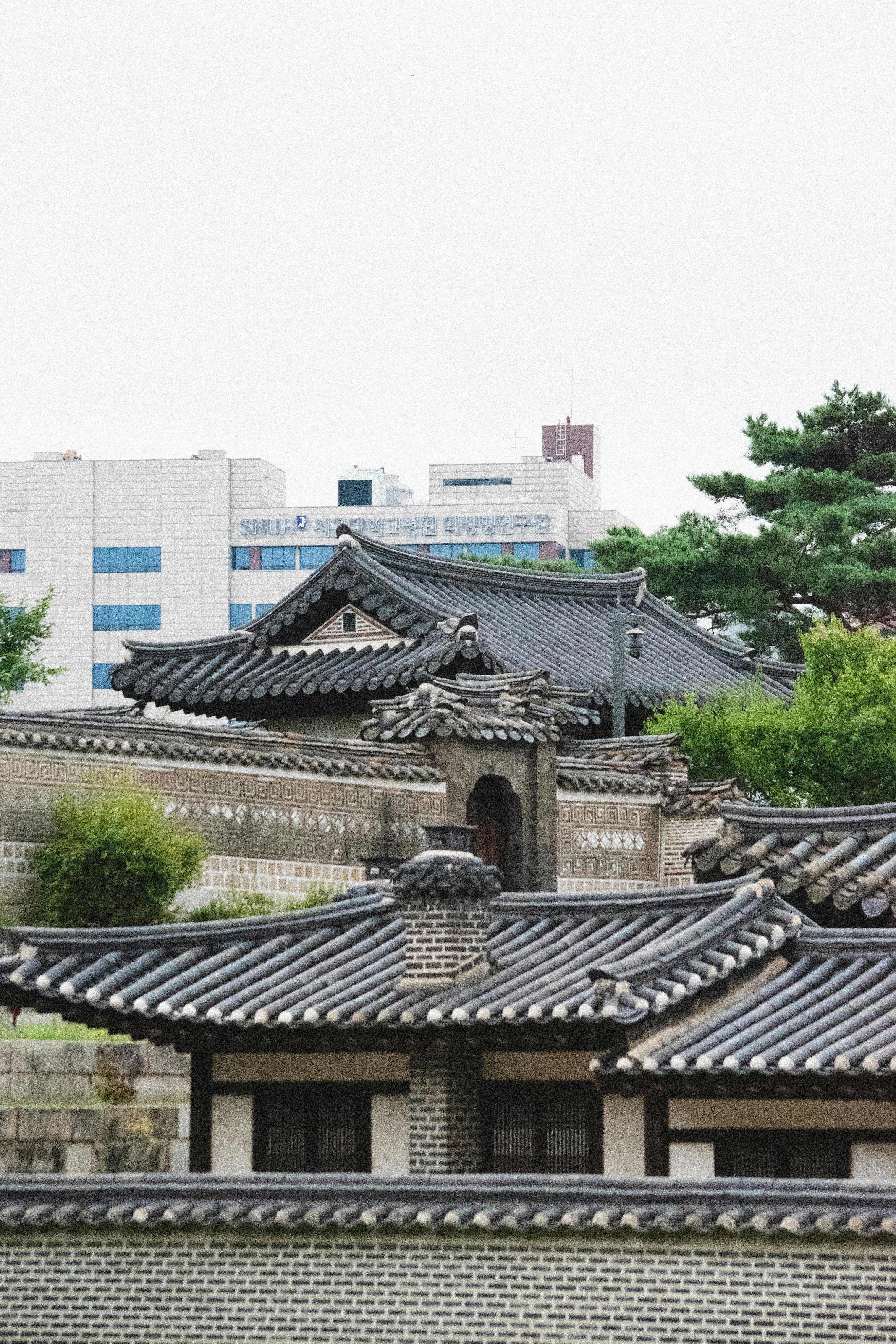
Traditional and modern Korean culture buildings

Korea is a beautiful blend of deep-rooted traditions and modern living.

Did any of these etiquette rules surprise you? If you have questions about specific social situations or want to know more about Korean culture, please leave a comment below! I will get back to you as quickly as possible.


Beyond the Capital: Best Day Trips from Seoul

Beyond the Capital: Best Day Trips from Seoul

While Seoul offers endless excitement, the areas surrounding the capital are filled with historical landmarks, romantic landscapes, and unique cultural experiences. All of these destinations are accessible within 1-2 hours, making them perfect for a refreshing day trip. Here are the top 3 spots you shouldn't miss.

1. The DMZ (Demilitarized Zone): A Walk Through History

The DMZ is one of the most unique travel destinations in the world. It offers a rare glimpse into the history of the Korean War and the ongoing hope for peace.

  • What to see: The 3rd Infiltration Tunnel, Dora Observatory (where you can peek into North Korea), and Imjingak Park.
  • Note: You must bring your Passport and join an official guided tour to enter the restricted areas.
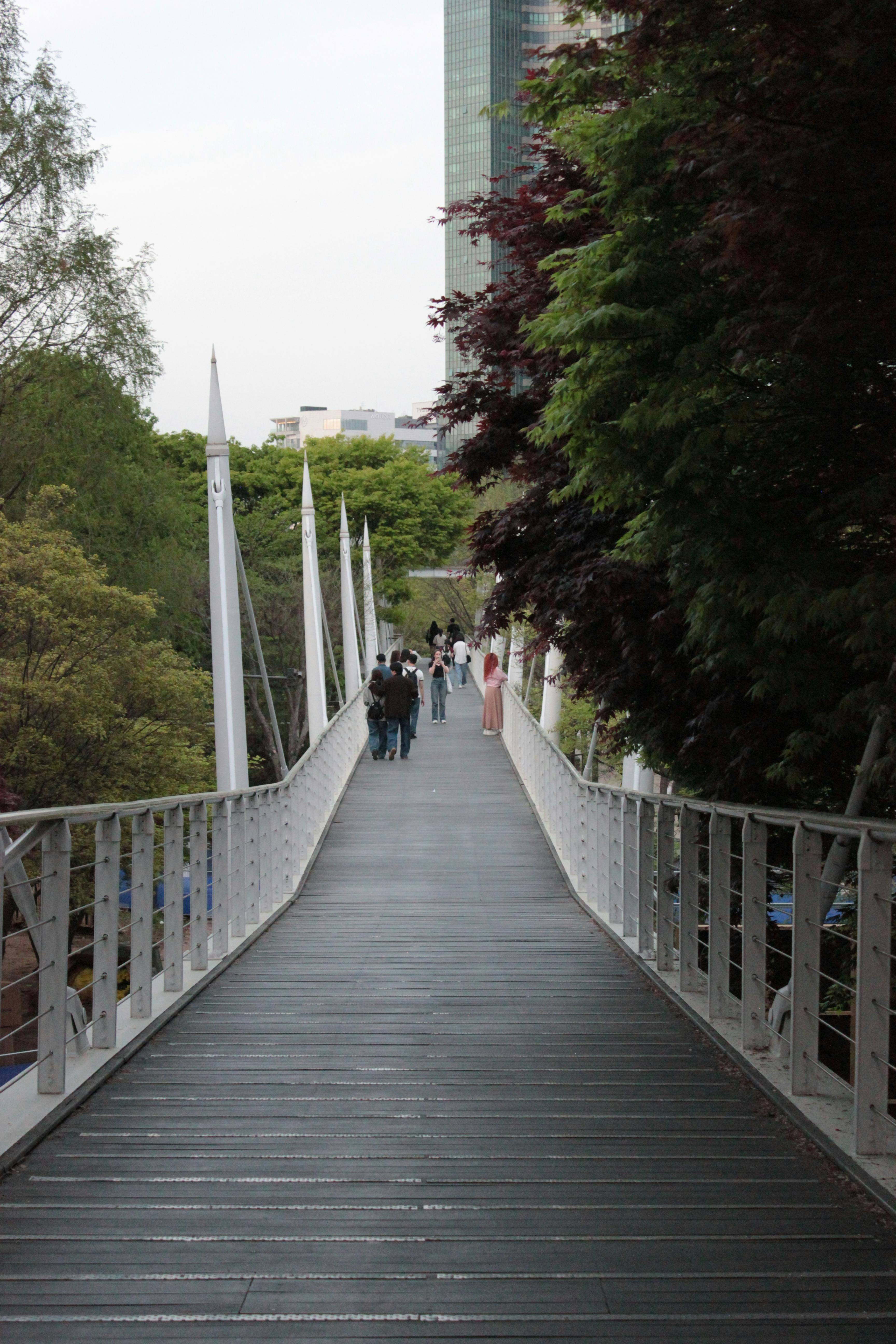
DMZ Peace Park near Seoul South Korea

The bridge of freedom at Imjingak Park near the DMZ

2. Nami Island: Romance and Nature

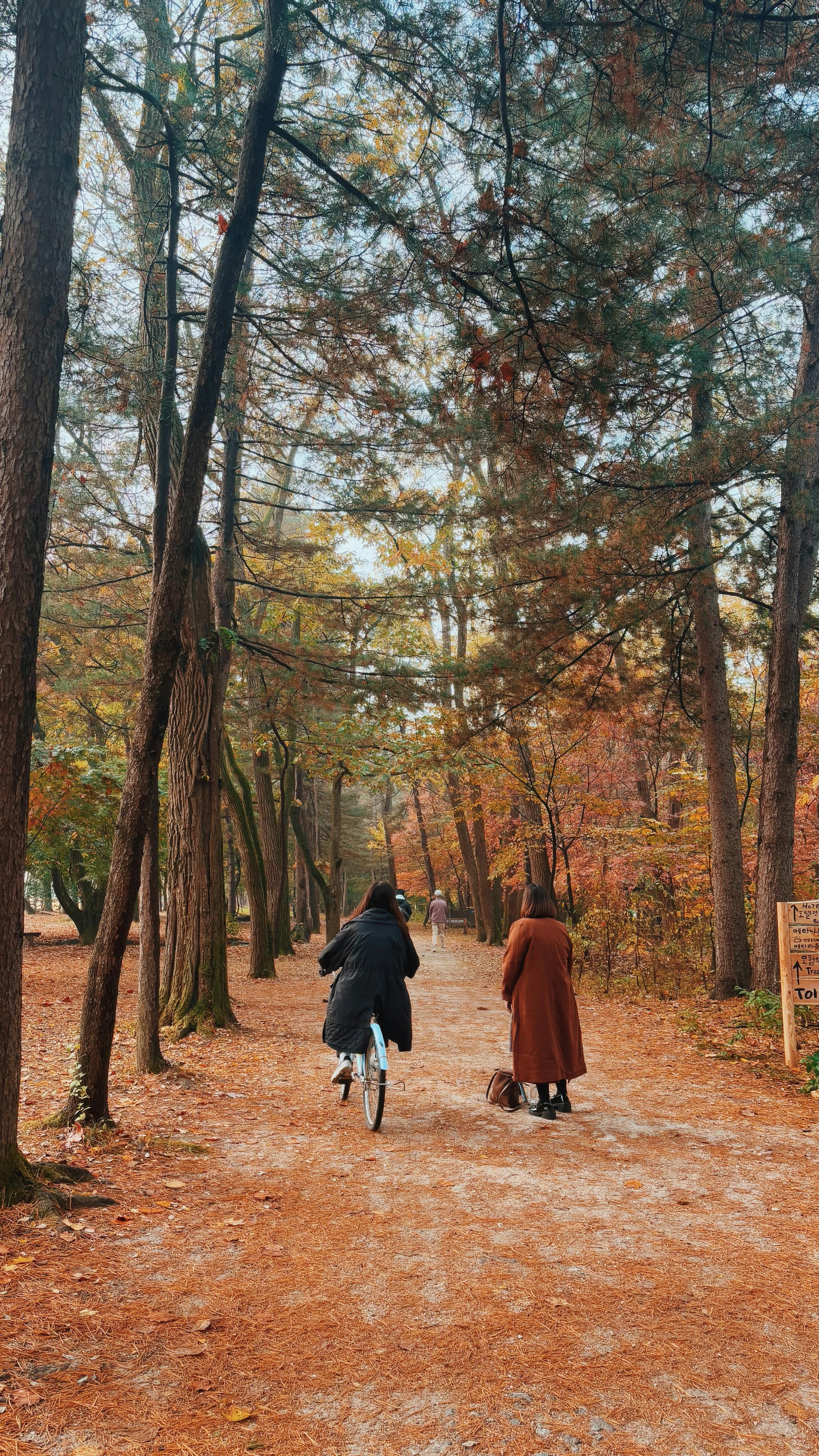
Famous as a filming location for K-dramas, Nami Island is a crescent-shaped island known for its beautiful tree-lined paths and peaceful atmosphere.

  • Highlights: Walk through the Metasequoia Road and enjoy a bicycle ride around the island. It's beautiful in every season, but especially in Autumn and Winter.
  • Access: Take the ITX-Cheongchun train to Gapyeong Station.
Nami Island Autumn Foliage Korea

The stunning autumn foliage on Nami Island

3. Suwon Hwaseong Fortress: Majestic Architecture

A UNESCO World Heritage site, the Suwon Hwaseong Fortress is a masterpiece of late Joseon Dynasty architecture. The massive walls stretch across the city of Suwon.

  • Experience: Walk along the fortress walls for a stunning view of the city or try traditional Korean Archery.

Traveler Tip: For Nami Island and Suwon, using the Naver Map app will provide the fastest public transport routes. For the DMZ, remember to book your tour at least a week in advance as they fill up quickly!

Which of these day trips are you planning to add to your itinerary? If you have questions about tour bookings or train tickets, please leave a comment below! I will get back to you as quickly as possible.


What to Buy in Korea: The Ultimate Souvenir Guide

What to Buy in Korea: The Ultimate Souvenir Guide

As your trip to South Korea comes to an end, you’ll want to bring back something special to remember your journey. From world-famous skincare products to unique traditional crafts and delicious snacks, Korea offers a wide variety of souvenirs. Here is a list of the top items that make perfect gifts for friends, family, or even yourself!

1. K-Beauty & Skincare Products

South Korea is a global leader in skincare. You can find high-quality products at very affordable prices, especially at stores like Olive Young.

  • Must-buy: Sheet masks, sunscreens, and serum ampoules. Look for brands like Round Lab, COSRX, and Innisfree.
  • Tip: Buy in bulk to take advantage of "Buy 1 Get 1 Free" deals and tax refunds!
Korean Skincare and Beauty Souvenirs

K-beauty products are the most popular souvenirs for travelers visiting Korea.

2. Traditional Korean Crafts (Hanji & Mother-of-Pearl)

For a more meaningful and timeless gift, head to Insadong. You’ll find beautiful items that reflect Korea’s rich heritage.

  • Najeon-chilgi: Traditional lacquerware inlaid with mother-of-pearl. Items like small jewelry boxes or mirrors are stunning.
  • Hanji: Traditional handmade paper used for lanterns, fans, and stationary.

3. Unique Korean Snacks & Seaweed

Korean supermarkets and convenience stores are treasure troves for food lovers.

  • Honey Butter Almonds: A viral snack available in various flavors like Wasabi, Corn, and Peach.
  • Gim (Roasted Seaweed): Light, healthy, and easy to pack. It’s a staple in Korean households and makes a great savory snack.
Korean Snacks and Seaweed Gifts

Delicious and unique Korean food items are perfect for sharing with friends.

4. K-Pop Merchandise & Fashion

If you or your friends are fans of BTS, BLACKPINK, or NewJeans, Korea is the best place to find official merchandise.

  • Where to shop: Myeongdong Underground Shopping Center or specialized K-pop stores in Hongdae.
  • Fashion: Trendy socks with cute characters or stylish "streetwear" from local brands.

Pro Tip: Don't forget to keep your receipts! Many shops offer Tax Refunds for purchases over 30,000 KRW. Look for the "Tax Free" sign and bring your passport when shopping.

Which of these souvenirs are on your shopping list? If you need to find a specific item or a store recommendation, please leave a comment below! I will get back to you as quickly as possible.


Exploring Seoul’s Vibrant University Districts: Hongdae, Sinchon & More

Exploring Seoul’s Vibrant University Districts: Hongdae, Sinchon & More

To truly feel the energetic pulse of Seoul, you must visit its university districts. These neighborhoods are where trends are born, street food is perfected, and nightlife never ends. From indie art scenes to high-fashion streets, here are the top university areas every traveler should explore.

1. Hongdae: The Epicenter of Art and Nightlife

Located near Hongik University, Hongdae is famous for its youthful, artistic atmosphere. It's the best place in Seoul to experience Korea’s indie music scene and vibrant street performances (busking).

  • What to do: Watch dancers and singers at the "Hongdae Walking Street" or explore unique indie fashion boutiques.
  • Nightlife: Hongdae is home to the most energetic clubs and bars that stay open until the early morning.

The electric neon lights of Hongdae's busy shopping and entertainment streets

2. Sinchon & Ewha: Shopping and Trendy Eats

Sinchon (Yonsei University area) and the Ewha Womans University district are perfect for those who love trendy, affordable fashion and cozy cafes.

  • Ewha Fashion Street: Known for being a paradise for budget-friendly women’s clothing, cosmetics, and accessories.
  • The Campus: Ewha’s campus is famous for its stunning modern architecture, especially the Ewha Campus Center (ECC).

The iconic modern architecture of Ewha Womans University campus

3. Hyehwa (Daehangno): The Heart of Theater

Unlike the loud clubs of Hongdae, Hyehwa is the cultural hub for performing arts. With over 100 small theaters, it's the Broadway of Korea.

  • Naksan Park: Hike up from Hyehwa to enjoy a peaceful sunset view over the Seoul City Wall.

Traveler Tip: University districts offer the best value for money! Look for "Gasi-sikdang" (student-friendly restaurants) for large portions at incredibly low prices.

Which district matches your vibe better: the artistic Hongdae or the cultural Hyehwa? If you need specific cafe or restaurant recommendations in these areas, please leave a comment below! I will get back to you as quickly as possible.


K-Beauty 101: Your Essential Guide to Skincare and Beauty Tourism

K-Beauty 101: Your Essential Guide to Skincare and Beauty Tourism

South Korea is widely considered the skincare capital of the world. From high-tech dermatological treatments to affordable yet innovative cosmetic products, the "K-Beauty" phenomenon has taken the world by storm. Here is everything you need to know to get that famous "glass skin" while visiting Korea.

1. Shopping for Skincare: The Olive Young Experience

If you only visit one store for beauty products, let it be Olive Young. It’s the "Sephora of Korea" and is found on almost every street corner.

  • What to Buy: Look for sunscreens, sheet masks, and soothing ampoules. Popular brands include Round Lab, COSRX, and Anua.
  • Tax Refunds: Most stores offer immediate tax refunds on-site if you spend over 30,000 KRW and bring your passport.

High-quality Korean skincare products and cosmetics

2. Medical Tourism: Visiting a Korean Dermatology Clinic

Korea is famous for high-quality, efficient, and affordable dermatological procedures. Many foreigners visit specifically for "skin boosters" or laser treatments.

  • Popular Treatments: Aqua Peels (deep cleansing), Shurink (lifting), and various laser treatments for brightening.
  • Booking: Many clinics in areas like Gangnam and Myeongdong have English-speaking staff and can be booked via WhatsApp or Instagram.

Professional skincare treatment at a modern Korean clinic

3. Crucial Tips for Beauty Tourists

Check for Foreigner Specials: Some clinics offer special packages for tourists that include tax refund documents. Always ask if they provide a "VAT Refund" receipt before you pay!

  • Avoid Peak Times: Try to book your clinic appointments on weekday mornings to avoid long wait times.
  • Sample Culture: When you buy cosmetics, don't be surprised if the staff throws in a handful of free samples (called 'Service'). It's a great way to try new products!

Do you have questions about specific K-beauty brands or want recommendations for dermatology clinics in Seoul? Please leave a comment below! I will get back to you as quickly as possible.


Hiking in Korea: Best Scenic Trails in Seoul

Hiking in Korea: Best Scenic Trails in Seoul

Did you know that Seoul is surrounded by beautiful mountains? Hiking is a national pastime in Korea, and you don't have to travel far to find world-class trails. Whether you're a seasoned hiker or a casual walker, these trails offer the best views of the city skyline.

1. Bukhansan National Park: The Grand Challenge

As the only national park within a city’s boundaries, Bukhansan is the crown jewel of Seoul’s mountains. Its granite peaks provide a dramatic backdrop to the urban sprawl.

  • Baegundae Peak: The highest point (836m). It’s a challenging hike but rewards you with a 360-degree panoramic view of Seoul.
  • Access: Take the subway to Bukhansan Ui Station (Ui-Sinseol Line).

The majestic granite peaks of Bukhansan National Park

2. Inwangsan: The Best City & Night View

If you want a shorter hike with an incredible view of the Seoul City Wall and the royal palaces, Inwangsan is the place to go.

  • The Trail: The path follows the ancient Seoul City Wall, making it both a cultural and scenic journey.
  • Night Hike: This is one of the safest and most popular spots for night hiking. The golden lights along the wall are magical.

The Seoul City Wall trail on Inwangsan Mountain

3. Essential Hiking Tips for Korea

Hiking Etiquette: It is common for Korean hikers to greet each other with "Annyeonghaseyo" (Hello) on the trail. Also, don't be surprised if someone offers you a slice of cucumber or a piece of candy—it's part of the friendly hiking culture!

  • Safety First: Always stay on the marked trails. The granite rocks can be slippery, especially after rain.
  • Gear: While some people hike in sneakers, trekking shoes with good grip are highly recommended for the rocky terrain.

Do you have a favorite hiking spot in Korea, or are you planning your first hike? Leave a comment below! I will get back to you as quickly as possible with tips and directions.


Staying in Korea: From Traditional Hanok to Luxury Hotels

Staying in Korea: From Traditional Hanok to Luxury Hotels 

Finding the right place to stay is crucial for an unforgettable trip. South Korea offers a wide range of accommodations, from centuries-old traditional houses to world-class luxury hotels. Here is a guide to help you choose the perfect "home away from home" in Korea.

1. Hanok Stay: A Cultural Journey

For a truly authentic experience, nothing beats staying in a Hanok, a traditional Korean house. You can enjoy the beauty of wooden beams, tiled roofs, and peaceful courtyards.

  • What to expect: Many Hanoks offer floor-sleeping arrangements (Yo), though some modern ones provide beds.
  • Best locations: Bukchon Hanok Village (Seoul), Jeonju Hanok Village, and Gyeongju.

A beautiful traditional Hanok house in Seoul

2. Luxury and Business Hotels

If you prefer comfort and modern amenities, Korea's hotel scene is top-tier. From global chains like Marriott to premium local brands like The Shilla and Lotte Hotels.

  • Business Hotels: Brands like Shilla Stay or Lotte City Hotel offer great value for money with a sleek, modern vibe.
  • Five-Star Luxury: These hotels often feature world-class spas, infinity pools, and some of the best buffet restaurants in the city.

Modern luxury hotel with a stunning view of the Seoul skyline

3. Unique Stays: Templestay and Pensions

Templestay: If you seek inner peace, consider staying at a Buddhist temple. You can experience monastic life, meditation, and traditional vegan meals.

Pensions: Popular in the countryside or near beaches, these are vacation homes where you can grill BBQ and enjoy nature with friends or family.

4. Budget-Friendly Options

  • Guesthouses & Hostels: Perfect for solo travelers and backpackers looking to meet new people.
  • Goshiwon / One-room: For long-term travelers on a very tight budget, these offer small but private rooms.

If you have any questions about booking a Hanok stay or need a recommendation for a specific area, please leave a comment below! I will get back to you as quickly as possible.


Korea Travel Visa Guide: Everything You Need Before You Fly

Korea Travel Visa Guide: Everything You Need Before You Fly

South Korea is a bucket-list destination for many, but the very first step of your journey isn't packing your bags—it's securing your entry. Depending on your nationality, you might need a K-ETA or a Tourist Visa (C-3-9). Let's break down exactly what you need to prepare.

1. K-ETA vs. Tourist Visa: Which One Do You Need?

Before doing anything else, check which category your country falls into. This will save you weeks of unnecessary paperwork.

  • K-ETA (Visa-Free Entry): For travelers from around 110 countries. It’s an online authorization that usually gets approved within hours.
  • Standard Tourist Visa (C-3-9): For travelers from countries not eligible for K-ETA. You must apply at a Korean Embassy or Consulate.

Important Update: As of 2024, certain countries are temporarily exempt from the K-ETA requirement to promote tourism. However, even if exempt, applying for a K-ETA allows you to skip the arrival card at the airport!

2. Essential Documents Checklist

If you are applying for a formal visa at an embassy, make sure you have these core documents ready. Missing even one can lead to a delay or rejection:

  • Valid Passport: Must be valid for at least 6 months after your entry date.
  • Application Form: Neatly filled out with a recent 3.5cm x 4.5cm photo.
  • Financial Records: Typically 3-6 months of bank statements to show you can afford your trip.
  • Flight Itinerary: A confirmed round-trip ticket or a detailed flight plan.
  • Hotel Reservation: Proof of where you will be staying for at least the first few nights.

3. Pro-Tips for a Smooth Approval

Applying for a visa can be stressful, but these tips will help ensure success:

  • Apply Early: Give yourself at least 4 weeks before your departure date.
  • Be Specific: In your travel plan, list specific landmarks like "Gyeongbokgung Palace" or "N Seoul Tower" instead of just writing "Sightseeing."
  • Check Fees: Most embassies only accept cash (USD or local currency) for visa fees.

Are you having trouble with your visa application? Or not sure which embassy to visit? Leave a comment below, and I'll help you find the right information!

Saturday, May 2, 2026

Nightlife in Korea: A Guide to Fun and Safety

Nightlife in Korea: A Guide to Fun and Safety

South Korea is famous for its "24-hour culture." From bright neon lights and bustling clubs to quiet late-night strolls along the river, the night in Korea offers something for everyone. More importantly, it is widely considered one of the safest countries in the world for nighttime activities.

1. The Best Nightlife Districts in Seoul

  • Hongdae: The heart of youth culture. Expect street busking, affordable clubs, and a high-energy atmosphere that lasts until sunrise.
  • Itaewon: The most international district. Perfect for those looking for diverse bars, lounges, and a foreigner-friendly vibe.
  • Gangnam: Known for its high-end, world-class clubs and sophisticated lounge bars. Dress to impress!

The vibrant neon lights of Seoul's nightlife districts

2. Essential Nightlife Experiences

Beyond clubs and bars, you must experience these unique Korean nighttime activities:

  • Chimaek (Chicken & Beer): Ordering fried chicken and beer by the Han River is a classic nighttime ritual.
  • Noraebang (Karaoke): Private singing rooms where you can let loose with friends. Most have a huge selection of English songs!
  • PC Bang: High-tech gaming centers that are often open 24/7 and serve delicious snacks.

3. Why Korea is So Safe

Safety First: It is very common to see people walking alone at 2 AM without fear. This is due to a combination of widespread CCTV, bright street lighting, and a strong sense of public order. You can even leave your belongings on a cafe table for a moment—they will almost certainly be there when you return!


A peaceful night view of the Han River city lights

4. Getting Home Late

While the subway closes around midnight, you still have great options:

  • Late-Night Buses (Owl Buses): Look for bus numbers starting with "N" (e.g., N16, N61).
  • Taxis: Reliable and affordable. Use the Kakao T app to call a taxi easily.

If you have any questions about safety or want specific club recommendations, please leave a comment below! I will get back to you as quickly as possible.


Top 5 Traditional Markets in Seoul You Must Visit

Top 5 Traditional Markets in Seoul You Must Visit

To truly experience the "soul" of Seoul, you must dive into its traditional markets. These are not just places for commerce; they are living museums of Korean culture, history, and incredible street food. Here are the top 5 markets you cannot miss.

1. Gwangjang Market: The Street Food Mecca

As one of Korea’s oldest markets, Gwangjang is world-famous for its food aisle. It gained international fame after being featured on Netflix's Street Food.

  • Must-Try: Bindaetteok (Mung bean pancakes) and Mayak Kimbap (Addictive mini rice rolls).
  • Vibe: Energetic, warm, and filled with the delicious aroma of fresh cooking.

A bustling food alley in a traditional Seoul market

2. Namdaemun Market: The Ultimate Treasure Hunt

Located near the historic South Gate, Namdaemun has over 10,000 stalls. From clothing and kitchenware to electronics and specialized food alleys, you can find anything here.

  • Highlight: The "Kalguksu Alley" where you get a full course of noodles at an amazing price.

3. Tongin Market: Build Your Own Lunchbox

Located near Gyeongbokgung Palace, this market offers the unique Dosirak Cafe experience where you use traditional brass coins to buy portions of various dishes.

A variety of delicious Banchan (side dishes) you can find at traditional markets

4. Mangwon Market: Trendy and Local

A favorite among young locals for its mix of traditional market stalls and trendy cafes nearby. It's clean, organized, and offers some of the most creative snacks in the city.

5. Noryangjin Fish Market: A Seafood Adventure

The premier spot for fresh seafood. Pick your fish on the first floor and have it prepared for you in a restaurant upstairs. It's a sensory experience like no other!

Traveler Tip: Most markets prefer cash, although many stalls now accept credit cards. Having small bills ready will make your street food snacking much easier!

Which of these markets are you most excited to eat your way through? If you need directions or specific stall recommendations, please leave a comment below! I will get back to you as quickly as possible.